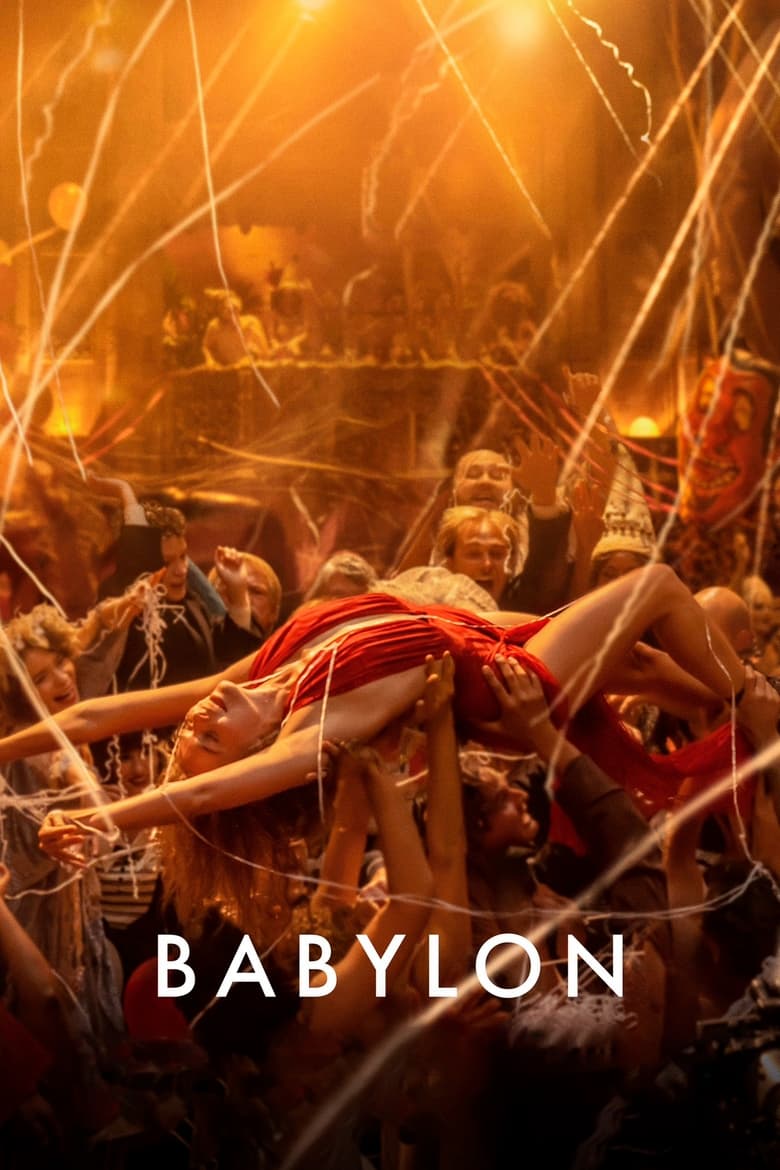

Babylon follows Manny Torres, a young Mexican worker who dreams of making movies in 1920s Hollywood. He meets Nellie LaRoy, a reckless new star, and Jack Conrad, a famous actor whose career is fading. Their lives change when silent films give way to talking pictures. The film is loud, sexual, violent, funny, and filled with parties, drugs, money, and bad choices. Babylon includes several visible identity stories. Manny hides his Mexican background to move up, while Sidney Palmer faces racism and blackface pressure as a black musician. Lady Fay Zhu is a Chinese American lesbian singer whose relationship with Nellie threatens her job. These stories matter, but the movie mainly focuses on fame, excess, ambition, and Hollywood’s harsh treatment of people who lose their value.
Community feedback
Was our 50% Woke rating accurate?
Loading review details…
Breakdown
These are the editorial factors and ratings behind our score for Babylon.
Woke representation / casting
Babylon places a Mexican lead, a black musician, and a Chinese American lesbian performer in important roles. Lady Fay is based partly on Anna May Wong, and Sidney reflects Black artists who faced real racism in early Hollywood. The cast shows a clear identity pattern, but the roles are tied to the period and are not presented as a modern diversity campaign.
36%
Woke political dialogue
The film includes direct talk about racism, blackface, queer rumors, and studio rules. Manny pressures Sidney to wear blackface so the studio can sell the film in the South. Manny also fires Lady Fay after the studio fears her relationship with Nellie. The dialogue is tied to the story and period rather than modern political speeches.
27%
Identity-driven story themes
Babylon repeatedly shows people hiding or changing parts of themselves to fit Hollywood’s rules. Manny hides his Mexican roots, Sidney faces racial limits, and Lady Fay loses work because of her sexuality. These stories support the idea that the industry rewards people who fit its preferred image. Identity themes are important side stories, but fame and ambition remain the main focus.
47%
Western institutional / cultural critique
The film attacks Hollywood studios for using workers and discarding them when they stop making money. The move toward stricter moral rules harms sexual freedom and Lady Fay’s career. The story also shows racism inside the movie business. Much of the criticism is about greedy studios and changing film rules, so it is not mainly a modern activist attack on Western society.
31%
Woke character or canon changes
Not relevant. Original story with loose real-life inspirations (for example Clara Bow, John Gilbert, Anna May Wong), not identity-driven rewrites of a fixed franchise or known character bible.
0%
Anti-woke backlash and complaints
A Christian movie review called Babylon intentionally woke because it presents homosexuality positively and gives Sidney moral weight. X research found one small account calling the film “woke garbage” and a tiny argument about “woke Hollywood.” These complaints had little reach and were not repeated by major outlets. No boycott or review-bombing campaign was found.
13%
Creator track record context
Damien Chazelle has a stored woke score of 42/100 because of past anti-Trump and social-justice posts. His main film work still centers on ambition, art, and personal failure rather than identity politics. The casting director and several producers have mild diversity or gender-equity links. The wider creative team gives moderate support for a woke reading, not a strong activist pattern.
35%
Production
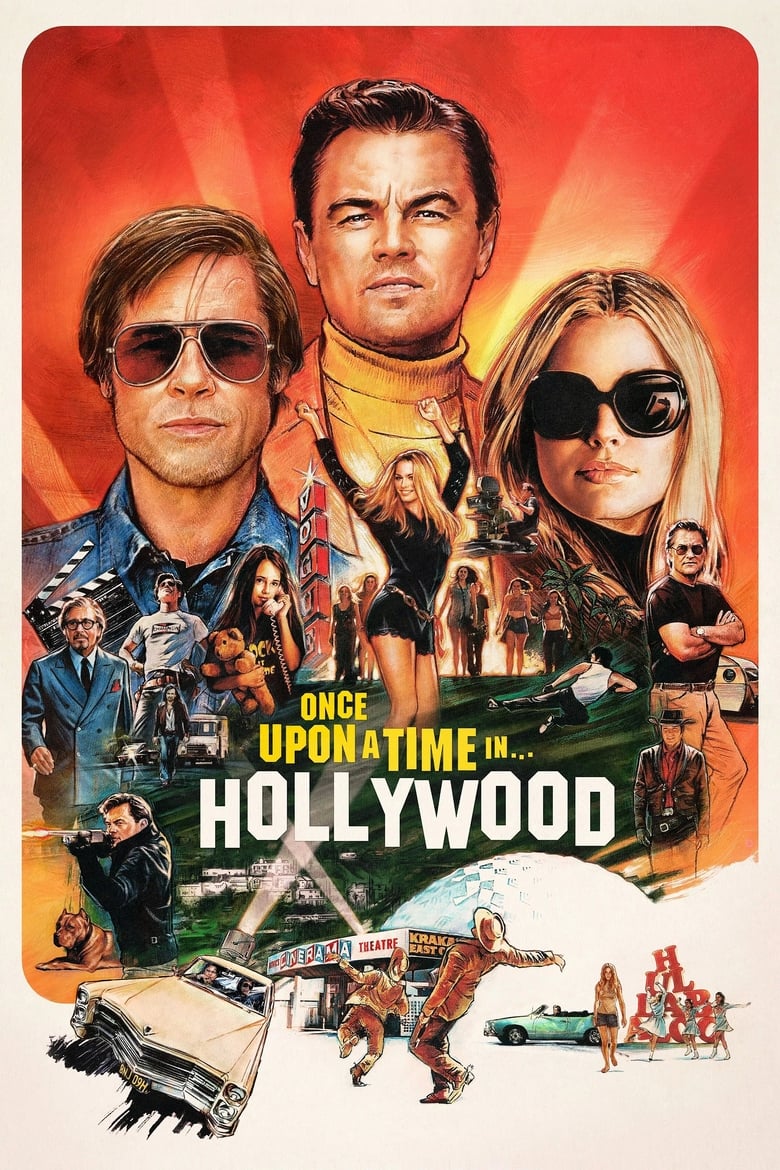
Movie · 2019
Los Angeles, 1969. TV star Rick Dalton, a struggling actor specializing in westerns, and stuntman Cliff Booth, his best friend, try to survive in a constantly changing movie…

Movie · 2023
Two mismatched entrepreneurs – egghead innovator Mike Lazaridis and cut-throat businessman Jim Balsillie – joined forces in an endeavour that was to become a worldwide hit in…

Movie · 2024
Mismatched cousins David and Benji reunite for a tour through Poland to honor their beloved grandmother. The adventure takes a turn when the pair's old tensions resurface against…
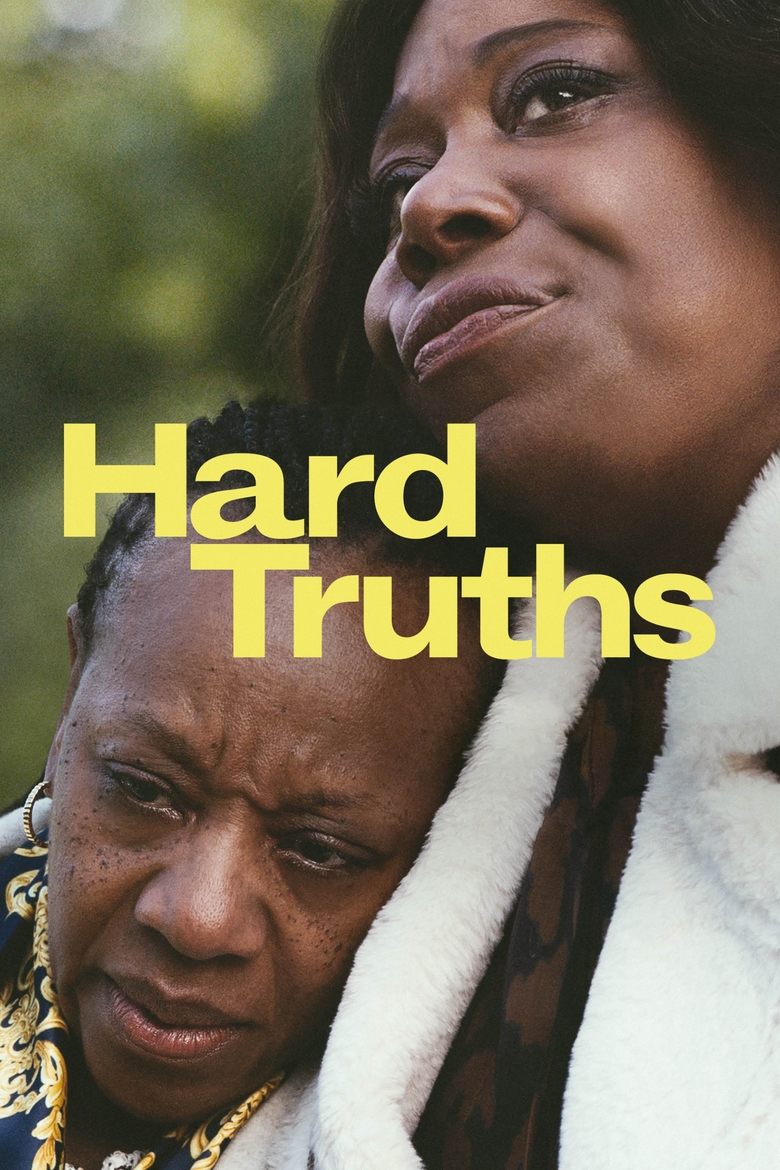
Movie · 2024
Pansy is a woman so full of rage that every interaction she has devolves into lashing out, whether at her utterly cowed husband and son, or random strangers who have the temerity…
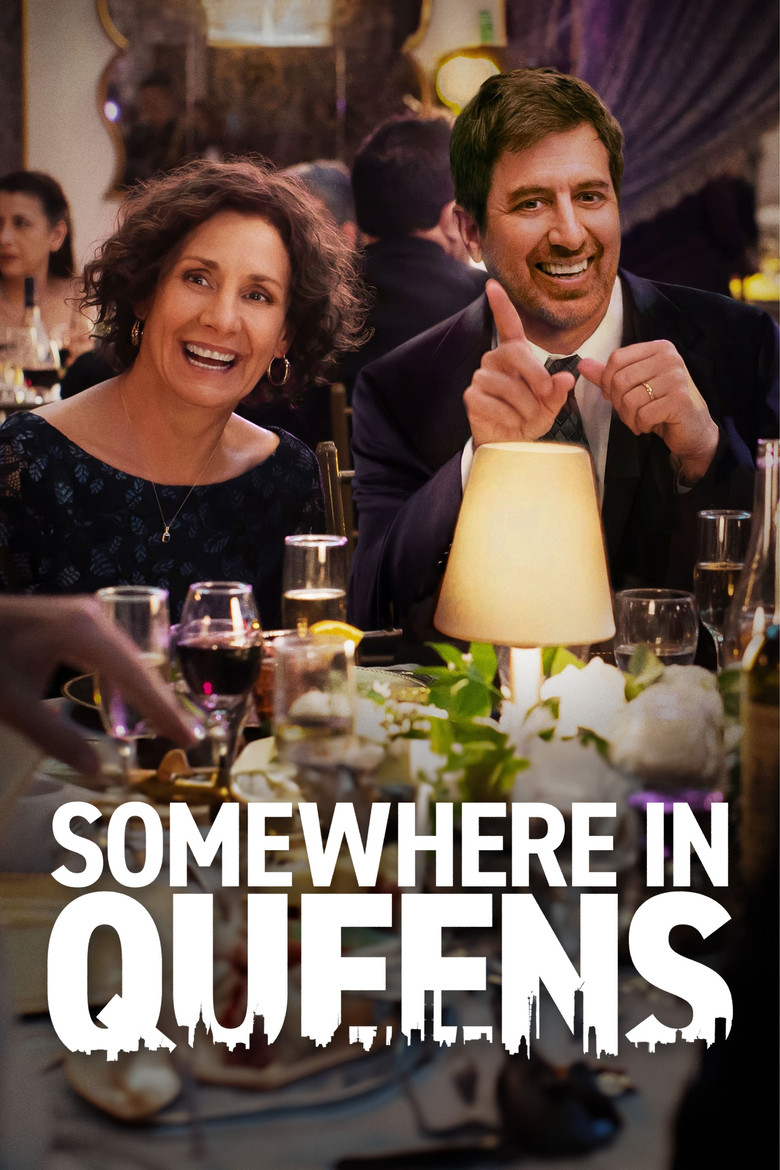
Movie · 2023
Leo and Angela Russo live a simple life in Queens, surrounded by their overbearing Italian-American family. When their son finds success on his high school basketball team, Leo…

Movie · 2022
After discovering a once-in-a-lifetime player with a rocky past abroad, a down on his luck basketball scout takes it upon himself to bring the phenom to the States without his…

Movie · 2016
Mia, an aspiring actress, serves lattes to movie stars in between auditions and Sebastian, a jazz musician, scrapes by playing cocktail party gigs in dingy bars, but as success…

Movie · 2023
Single mom Flora is at a loss about what to do with her rebellious teenage son, Max. Her efforts to keep him out of trouble lead to a beat-up acoustic guitar, a washed-up LA…
