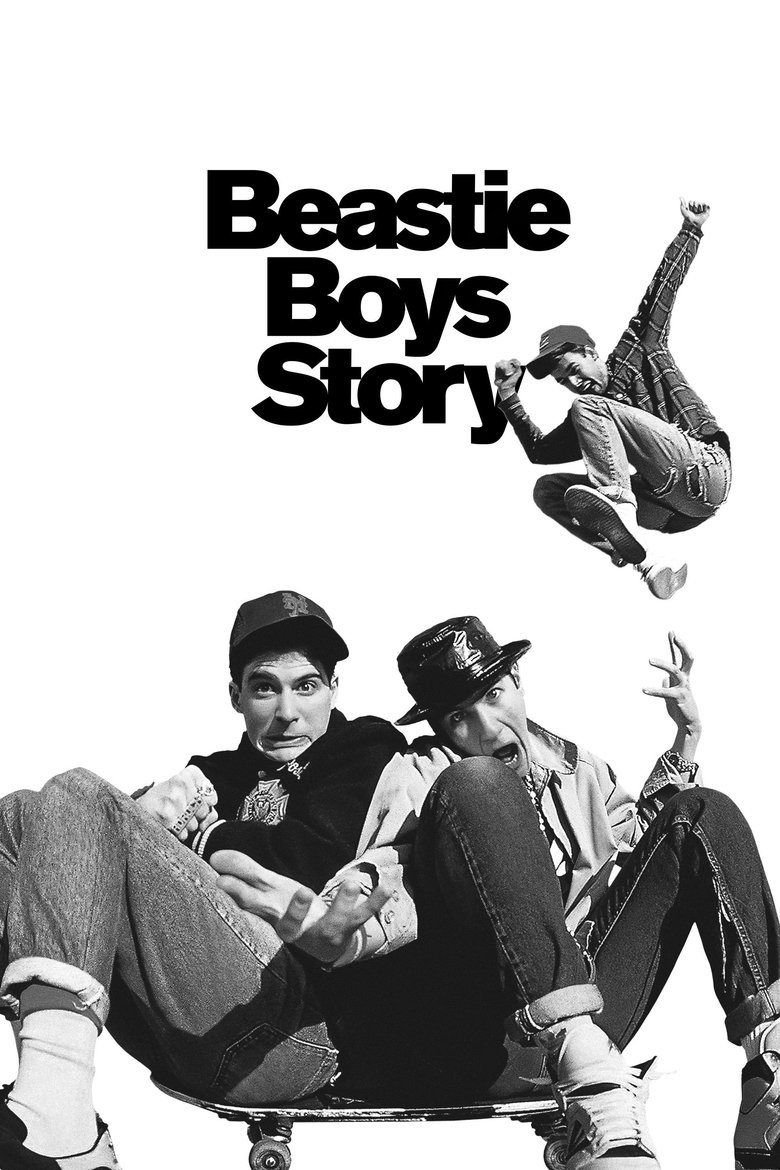

Mike Diamond and Adam Horovitz tell the story of the Beastie Boys from a stage in Brooklyn. They use old photos, music clips, and home videos to show how three New York teenagers became famous. The main conflict is the gap between their wild young image and the older men they became. The tone moves from funny and loose to warm and sad as they remember Adam Yauch and the band’s end. The film gives clear attention to the group’s old sexism. Mike and Adam admit that they removed drummer Kate Schellenbach because she did not fit their tougher rapper image. They also read the lyrics to “Girls” and say that the joke hurt people. The film connects the band’s growth to respect for women, Yauch’s Free Tibet work, and nonviolence, but friendship, music, and grief remain the main story.
Community feedback
Was our 35% Woke rating accurate?
Loading review details…
Breakdown
These are the editorial factors and ratings behind our score for Beastie Boys Story.
Woke representation / casting
Not present. The main people appear as the real Beastie Boys, and archive footage shows Adam Yauch. Brief celebrity cameos are jokes or audience roles, not identity-led casting.
0%
Woke political dialogue
Mike Diamond and Adam Horovitz openly discuss sexism in the band’s early image. They say removing Kate Schellenbach was wrong and admit that “Girls” hurt people. The film also presents Yauch’s Free Tibet work, nonviolence, and charity efforts. These ideas are clear but occupy only parts of a music story.
28%
Identity-driven story themes
The film makes the band’s change on gender issues an important part of its history. Mike and Adam connect their old male party image to the treatment of Kate and to sexist lyrics. The story presents personal growth toward respect for women as a positive change. Friendship, music, and grief over Yauch remain more important than this theme.
34%
Western institutional / cultural critique
The speakers criticize their own tough male image and past male entitlement. The film treats the band’s old behavior toward women as shameful. This criticism returns during the story but stays focused on the band’s personal past. The Free Tibet material is activism about Tibet, not a broad attack on Western institutions.
27%
Woke character or canon changes
Not relevant. The documentary follows real people who tell their own history, while Adam Yauch appears in archive footage. The stage show leaves out some facts, but it does not recast or rewrite the people shown.
0%
Anti-woke backlash and complaints
One small X account joked that the band became “woke” after meeting Kathleen Hanna. The post had no visible replies or wider pickup. No organized boycott, review-bombing effort, or named-outlet anti-woke campaign was found.
5%
Creator track record context
Adam Horovitz and Michael Diamond have liberal, anti-hate, environmental, and diversity-friendly records. Spike Jonze has a smaller progressive record. Michele Anthony has a stronger public link to gender activism, while Dechen Wangdu has a Tibetan human-rights record. This context supports the film’s activist parts but does not dominate the movie.
31%
Production
Movie · 2022
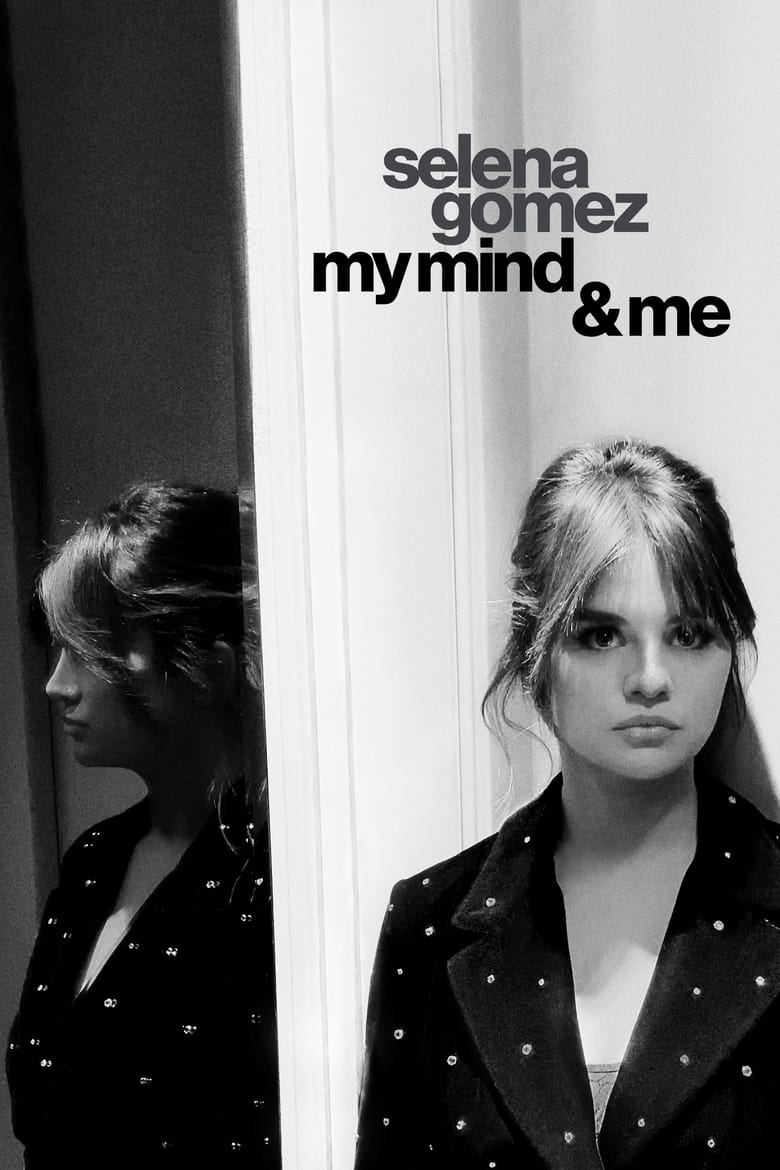
After years in the limelight, Selena Gomez achieves unimaginable stardom. But just as she reaches a new peak, an unexpected turn pulls her into darkness.
Movie · 2022
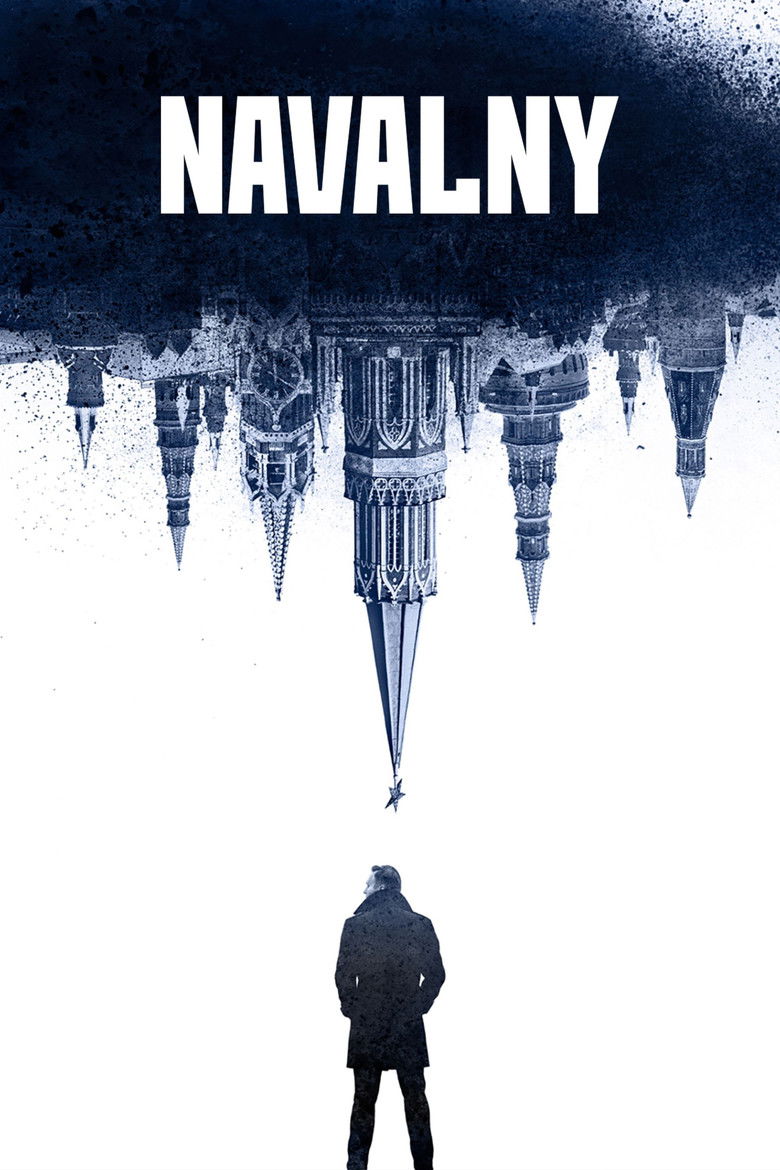
Follows the man who survived an assassination attempt by poisoning with a lethal nerve agent in August 2020. During his months-long recovery, he makes shocking discoveries about…

Movie · 2016
Supersonic charts the meteoric rise of Oasis from the council estates of Manchester to some of the biggest concerts of all time in just three short years.
Movie · 2021
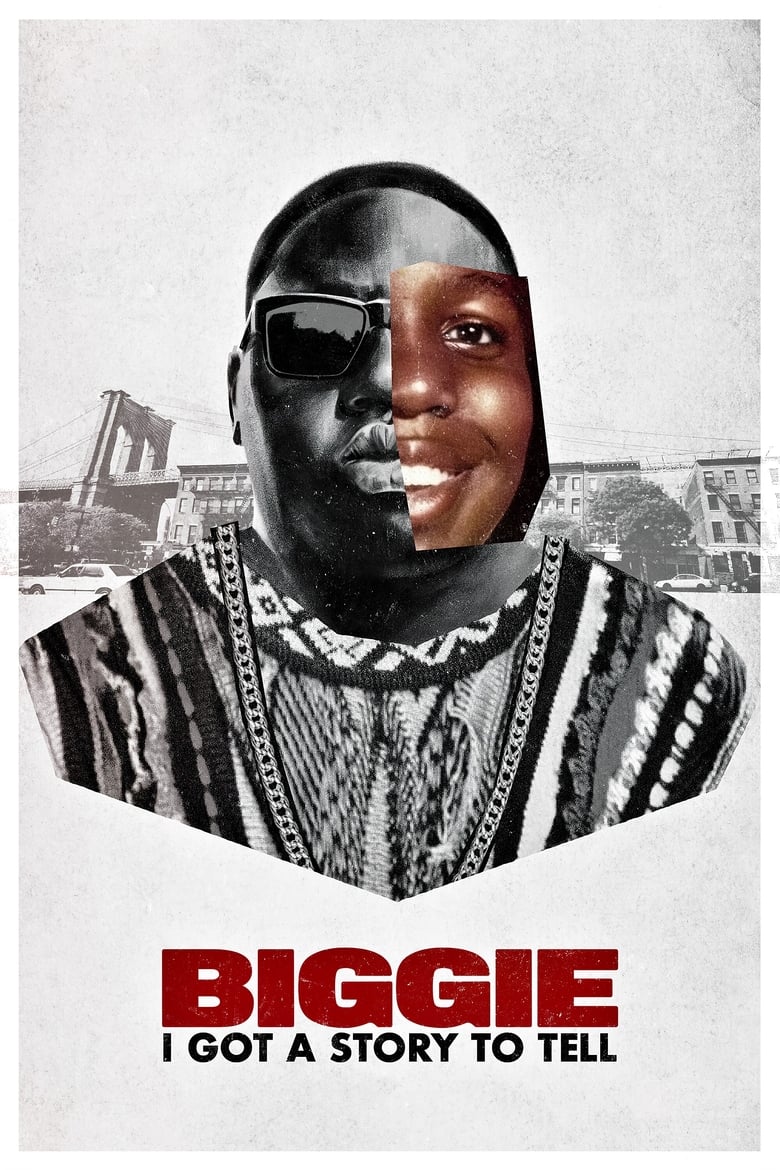
Christopher Wallace, AKA The Notorious B.I.G., remains one of Hip-Hop’s icons, renowned for his distinctive flow and autobiographical lyrics.
Movie · 2020
When Washington Post journalist Jamal Khashoggi disappears after entering Saudi Arabia’s consulate in Istanbul, his fiancée and dissidents around the world are left to piece…
Movie · 2023
His love of film began as an escape from a rocky childhood. From underdog to Hollywood legend, Sylvester Stallone tells his story in this documentary.
Movie · 2017
The most famous murder scene in movie history comprises 78 camera settings and 52 cuts: the shower scene in Alfred Hitchcock's Psycho.
Movie · 2018
A funny, intimate and heartbreaking portrait of one of the world’s most beloved and inventive comedians, Robin Williams, told largely through his own words.
