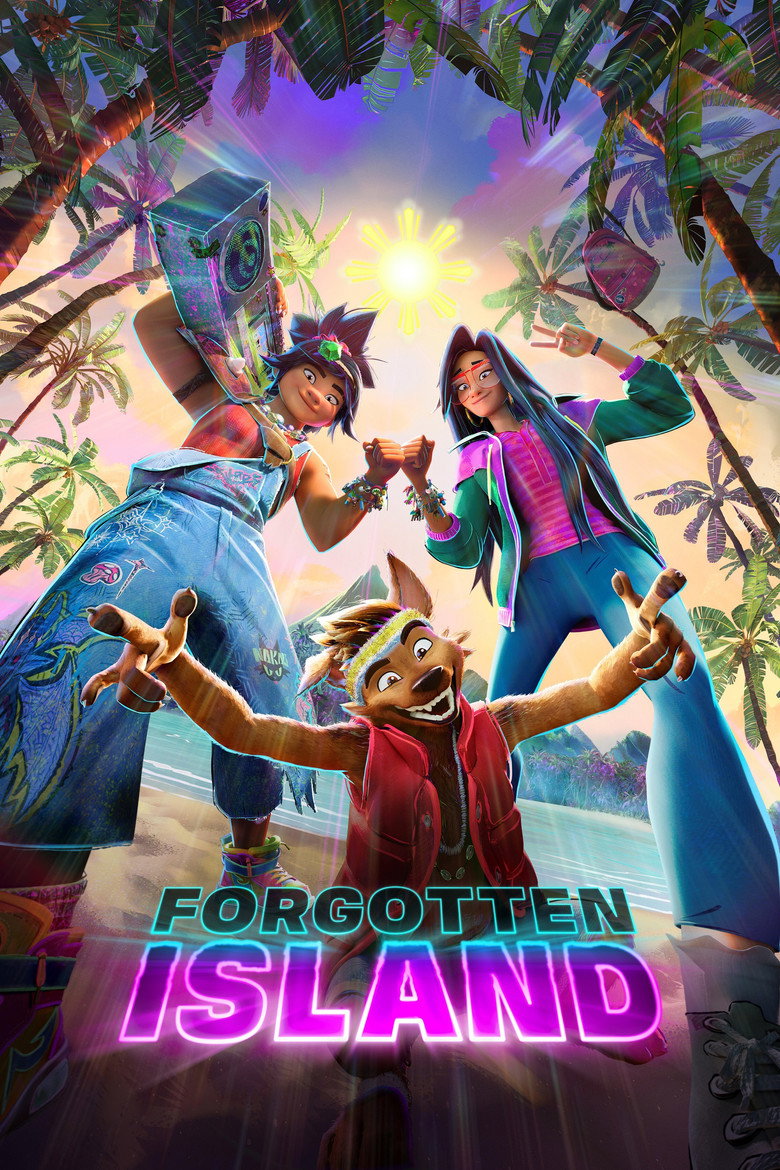

Jo and Raissa grow up as best friends in the Philippines in the 1990s, but Raissa is leaving to study at Caltech in America. On their last night together, a magic sand dollar takes them to Nakali, an island filled with creatures from Jo's grandma's stories. Getting home could cost them every memory of their friendship. The movie mixes silly jokes, scary monsters, and Jo's fear of losing the person closest to her. Jo's short hair, overalls, and habit of starting fights give her a tough tomboy role, while Raissa dreams of becoming a scientist. Raww the were-dog, Bungi the giant baby demon, and the proud merman Mermahn provide jokes and help the girls fight. Manang, the feared Manananggal, becomes a figure of pity when her violence is tied to stolen memories of kindness and love. Batiba's memory theft also grows from loneliness, and the ending turns both threats toward change and repair. Jo's decision to hide the way home still drives the main conflict, which ends with the friends learning to let each other grow.
Community feedback
Was our 39% Woke rating accurate?
Loading review details…
Breakdown
These are the editorial factors and ratings behind our score for Forgotten Island.
Woke representation / casting
H.E.R. said representation matters and that children from many cultures should see their own stories. Press coverage calls the movie an important showing of Filipino faces on a big studio screen. The directors describe the Filipino leads and human cast as people drawn from their own families in a Philippine setting. Jo's short hair and overalls give her a tough tomboy look, while Raissa keeps long hair and a careful student style. The focus on a tomboy and a future scientist gives the female leads a mild push against traditional gender roles.
30%
Woke political dialogue
The new trailer plays Saweetie's song "Best Friend" over shots of Jo and Raissa. The song's hook calls a best friend a real bad bitch while the girls goof off together. Some trailer versions soften that line, and the official YouTube captions print a cleaner best-friends line instead.
10%
Identity-driven story themes
Jo and Raissa lead the adventure through the Filipino stories they grew up hearing. Jo is the loud, tough friend in overalls who starts fights, while Raissa is the neat student who dreams of NASA and receives praise for her long hair. Raww, Bungi, and Mermahn serve as comic male helpers and also help save the girls. The directors wanted a girl friendship beyond boys or princesses and imagined the girls' handshake as tough as an action-movie pact. Jo hides the way home because she fears losing Raissa, making their broken trust the main personal problem.
40%
Western institutional / cultural critique
Manang hunts Jo and Raissa as the island's feared monster. Batiba's theft of her memories of kindness and love turns Manang into a dangerous figure who is also a victim. Batiba takes other people's memories because she is lonely and wants connection. The ending softens both villains by having Batiba return Manang's memories and Manang stop attacking. Thereby showing the evil characters as just a victims themselves.
36%
Woke character or canon changes
Not relevant. This new story uses old Filipino monster tales without an identity change to an established hero.
0%
Anti-woke backlash and complaints
A few posts with very small reach call the movie woke because its leads are Filipino. Some viewers read Jo and Raissa as a couple and complain about that reading. One small account objects to the trailer song calling a best friend a bad bitch and describes the preview as a girl-boss ad.
12%
Creator track record context
Casting director Christi Soper Hilt and producer Mark Swift are longtime DreamWorks leaders whose public comments focus on their work. Directors Januel Mercado and Joel Crawford speak about craft, family, and Filipino stories. Crawford said he wanted his daughters to see friendships beyond boys or princesses. Mercado described sharing his family's experiences and said he did not feel pushed to check every representation box.
10%
Production
Movie · 2022
Puss in Boots discovers that his passion for adventure has taken its toll: He has burned through eight of his nine lives, leaving him with only one life left.
Movie · 2025
Desperate to be a big guy, SpongeBob sets out to prove his bravery to Mr. Krabs by following The Flying Dutchman – a mysterious swashbuckling ghost pirate – on a seafaring…

Movie · 2023
A magical meteor crash lands in Adventure City and gives the PAW Patrol pups superpowers, transforming them into The Mighty Pups.
Movie · 2023
After a migrating duck family alights on their pond with thrilling tales of far-flung places, the Mallard family embarks on a family road trip, from New England, to New York City…
Movie · 2021
Determined teen Din is longing to reconnect with his childhood best friend when he meets a wish-granting dragon who shows him the magic of possibilities.

Movie · 2024
Gromit’s concern that Wallace is becoming too dependent on his inventions proves justified, when Wallace invents a “smart” gnome that seems to develop a mind of its own.
Movie · 2021
The Addams get tangled up in more wacky adventures and find themselves involved in hilarious run-ins with all sorts of unsuspecting characters.
Movie · 2023
While working underground to fix a water main, Brooklyn plumbers—and brothers—Mario and Luigi are transported down a mysterious pipe and wander into a magical new world.
