

In a Violent Nature follows Johnny, a dead boy who returns as a silent, rotting killer. A group of college-age campers takes a locket from the ruins of an old fire tower, and Johnny wakes to get it back. He moves through the forests of northern Ontario and kills almost anyone who blocks him. The movie uses long quiet walks, natural sounds, and sudden bursts of extreme gore to create a cold, strange slasher tone.
The campers include Kris, who survives, and two young women named Brodie and Aurora. Brodie makes a brief romantic move toward Aurora before Johnny attacks them. A campfire scene uses the words “cancel culture,” “ableist,” and “toxic masculinity” as jokes. Those words appear in one short exchange, while the film's main ideas stay focused on revenge, animal instinct, and the old slasher formula. The final scene compares Johnny's violence with a bear that kills without clear reason and leaves Kris afraid even after she escapes.
Community feedback
Was our 21% Woke rating accurate?
Loading review details…
Breakdown
These are the editorial factors and ratings behind our score for In a Violent Nature.
Woke representation / casting
The film includes a brief same-sex romantic interest between Brodie and Aurora, both young women. The moment is visible, but it does not lead to a larger identity story or a diversity-first cast pattern. The other roles are standard campers, a ranger, and a killer in a rural Ontario setting.
10%
Woke political dialogue
The campers use the terms “cancel culture,” “ableist,” and “toxic masculinity” during a short campfire argument. The words bring current social debate language into an otherwise old-style slasher. The film does not return to these terms or use them to drive the killings or the ending.
18%
Identity-driven story themes
The film shows Brodie making a brief romantic move toward Aurora, another woman. The moment is not a coming-out story and it does not shape the main conflict. Johnny's revenge, animal instinct, and the slasher setup remain the main themes.
12%
Western institutional / cultural critique
The campers use “toxic masculinity” while teasing the men in their group. Johnny's backstory also shows a logging company covering up deaths, but that event belongs to the old horror legend. The film does not turn either point into a continuing argument about modern institutions, family life, or traditional values.
15%
Woke character or canon changes
Not relevant. The film creates its own killer, Johnny, and its own camp legend. It does not change a known character, real person, or established story.
0%
Anti-woke backlash and complaints
A few audience reviews call the “cancel culture” and “toxic masculinity” lines dated buzzwords with little story purpose. One review mentions “woke culture” and says the mix of bullying jokes and these terms feels confusing. Most public reaction centers on gore, slow pacing, and the long bear story at the end, so the anti-woke complaint is small and scattered.
10%
Creator track record context
The available background gives Chris Nash, Peter Kuplowsky, and Casey Walker no high-confidence activist record. Shannon Hanmer has identified as a feminist and has said gender equality matters in her filmmaking. Her context adds a mild signal, but no title interview frames this film around representation or social justice.
15%
Production
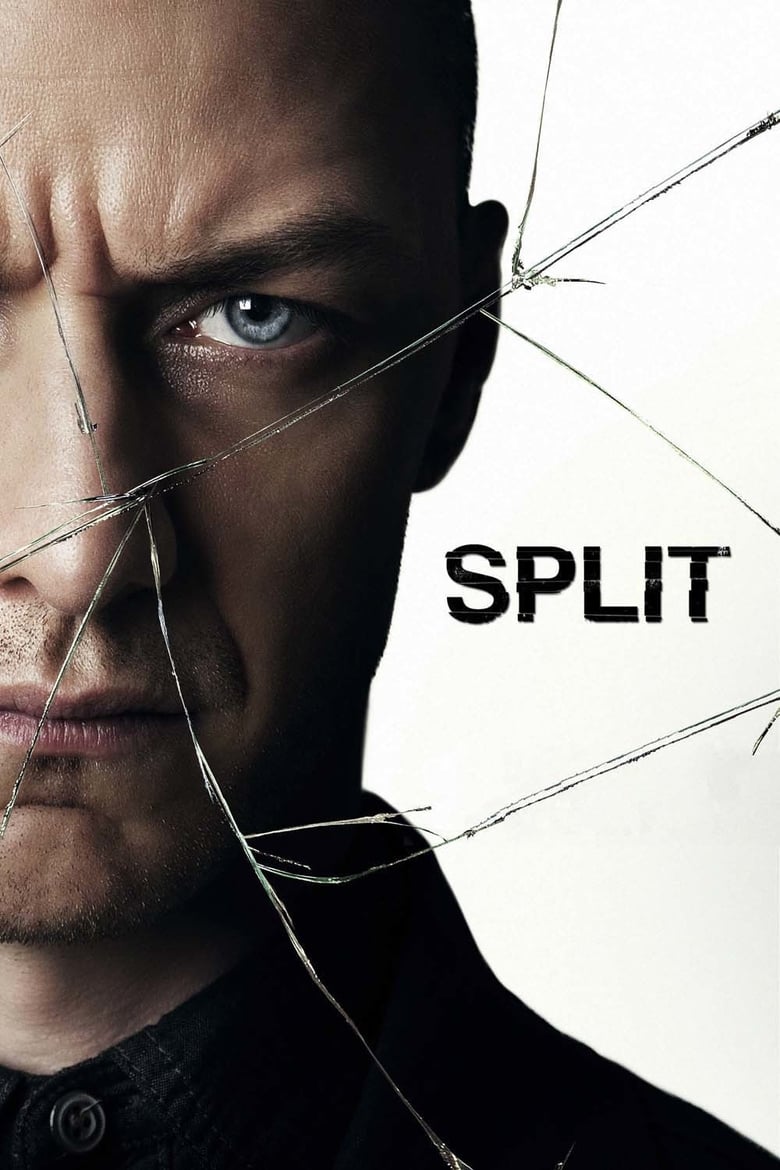
Movie · 2017
Though Kevin has evidenced 23 personalities to his trusted psychiatrist, Dr. Fletcher, there remains one still submerged who is set to materialize and dominate all the others.

Movie · 2017
Two brothers return to the cult they fled from years ago to discover that the group's beliefs may be more sane than they once thought.

Movie · 2019
When a huge hurricane hits her hometown in Florida, Haley ignores evacuation orders to look for her father. After finding him badly wounded, both are trapped by the flood.
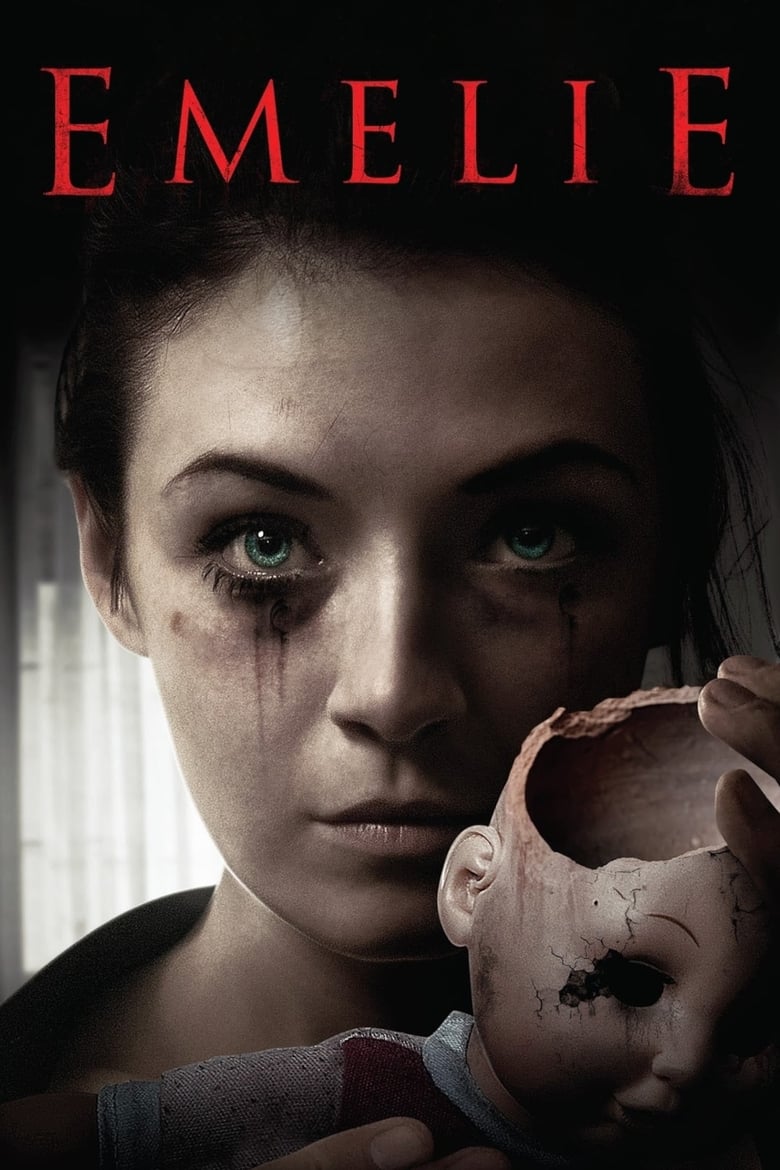
Movie · 2016
After their regular babysitter cancels, the Thompson family turns to her friend, Anna to supervise their children while the parents go out to celebrate their anniversary.
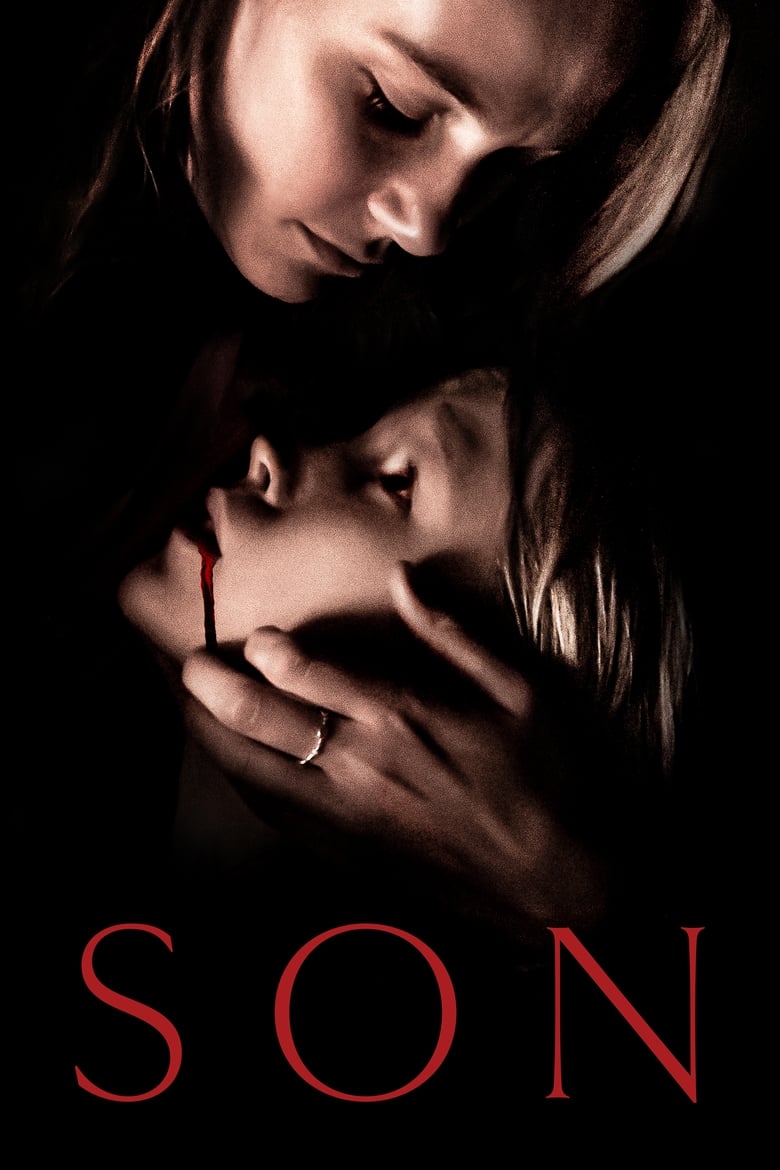
Movie · 2021
When a young boy contracts a mysterious illness, his mother must decide how far she will go to protect him from terrifying forces in her past.
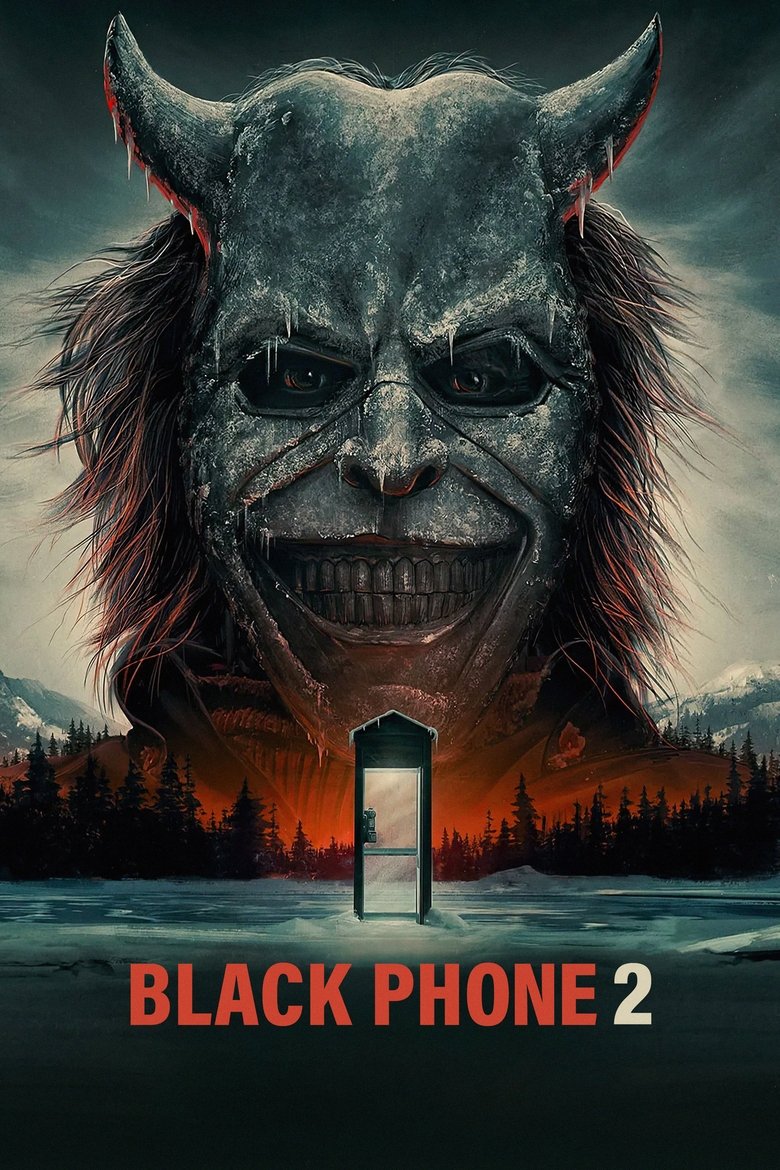
Movie · 2025
Four years after defeating The Grabber, Finney Blake is struggling with life after captivity. When his younger sister Gwen begins receiving calls in her dreams from the Black…

Movie · 2025
A collection of Halloween-themed videotapes unleashes a series of twisted, blood-soaked tales, turning trick-or-treat into a struggle for survival.

Movie · 2016
A struggling painter is possessed by satanic forces after he and his young family move into their dream home in rural Texas.
