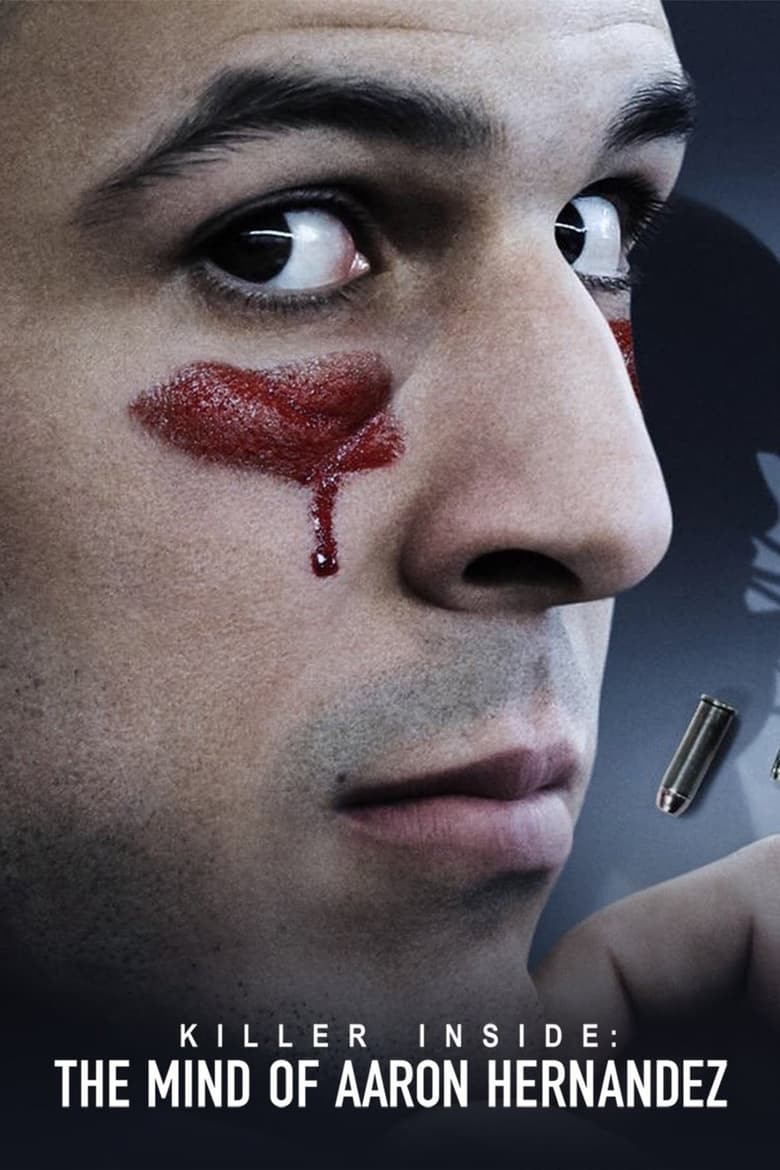

2020 · Based on 1 season, 3 episodes through January 15, 2020 ·
Aaron Hernandez is a gifted tight end from Bristol, Connecticut, who rises from small-town football to the New England Patriots. The three-part documentary follows his childhood, his time at the University of Florida, his NFL career, the killing of Odin Lloyd, the separate double-murder case, and his suicide in prison. Trial footage, old sports clips, interviews, and prison phone calls build a dark and searching true-crime story. The series asks how family violence, drugs, bad friends, football injuries, and brain damage may have shaped his choices without giving one simple answer.
Sexuality is a clear and repeated part of that search. A high-school teammate claims a hidden relationship with Hernandez, and former NFL player Ryan O’Callaghan describes hiding his own sexuality in a macho sport. The show links this pressure to Hernandez hiding part of his life and asks whether being open could have changed his path. That focus takes attention away from the murders and football brain damage for some viewers, but crime, family damage, violence, and brain injury remain the main story.
Community feedback
Was our 63% Woke rating accurate?
Loading review details…
Breakdown
These are the editorial factors and ratings behind our score for Killer Inside: The Mind of Aaron Hernandez.
Woke representation / casting
Not present. The series uses real interview subjects, reporters, players, family members, and experts tied to the case. It does not build a made-up identity mix or frame its people as a diversity statement.
0%
Woke political dialogue
The series repeatedly includes remarks about gay relationships, hiding sexuality, and pressure to appear straight in football. Dennis SanSoucie describes a hidden relationship with Hernandez. Ryan O’Callaghan says players may hide their sexuality to protect their careers. A prison call also includes a homophobic insult, but the show does not build a long political speech around these lines.
38%
Identity-driven story themes
The series makes hidden male relationships and gay identity a major part of its search for causes. Episode 1 gives long interviews about Hernandez’s alleged relationship with Dennis SanSoucie and O’Callaghan’s time in the closet. The final episode returns to sexuality rumors after Hernandez’s death and asks whether fear of being exposed affected him. The other episodes also spend more time on murder, family violence, drugs, and football brain damage, so sexuality is central but not the whole story.
68%
Western institutional / cultural critique
The series presents football as a macho setting that gave closeted men few safe ways to be open. O’Callaghan describes hiding his sexuality during his NFL career. The documentary also questions pain medicine, weak oversight, and the way star athletes escaped trouble. It links these failures with family abuse and brain injury, but it does not attack every Western institution or promote a broad political plan.
42%
Woke character or canon changes
Not relevant. The show is a documentary about real people and events. It raises claims about Hernandez’s sexuality, but it does not rewrite a fictional character or change an established identity.
0%
Anti-woke backlash and complaints
Public posts on X repeatedly said the series made unproven gay or bisexual rumors too important. Some posters described that focus as a gay agenda or a woke agenda. Other viewers said sexuality appeared throughout the documentary and distracted from the murders or CTE. No evidence shows a boycott, review-bombing drive, or large organized campaign, so the backlash is notable but limited.
41%
Creator track record context
The director’s wider work is mainly crime, sports, nature, and history, with little public activist branding. Jennifer Sofio Hall and Christina Douglas have stronger records of projects about race, identity, and underrepresented groups. Kent Kubena has a milder social-change pattern, while most other producers have sports, crime, or technical backgrounds. The overall creator track record is mixed and low to moderate.
24%
Production
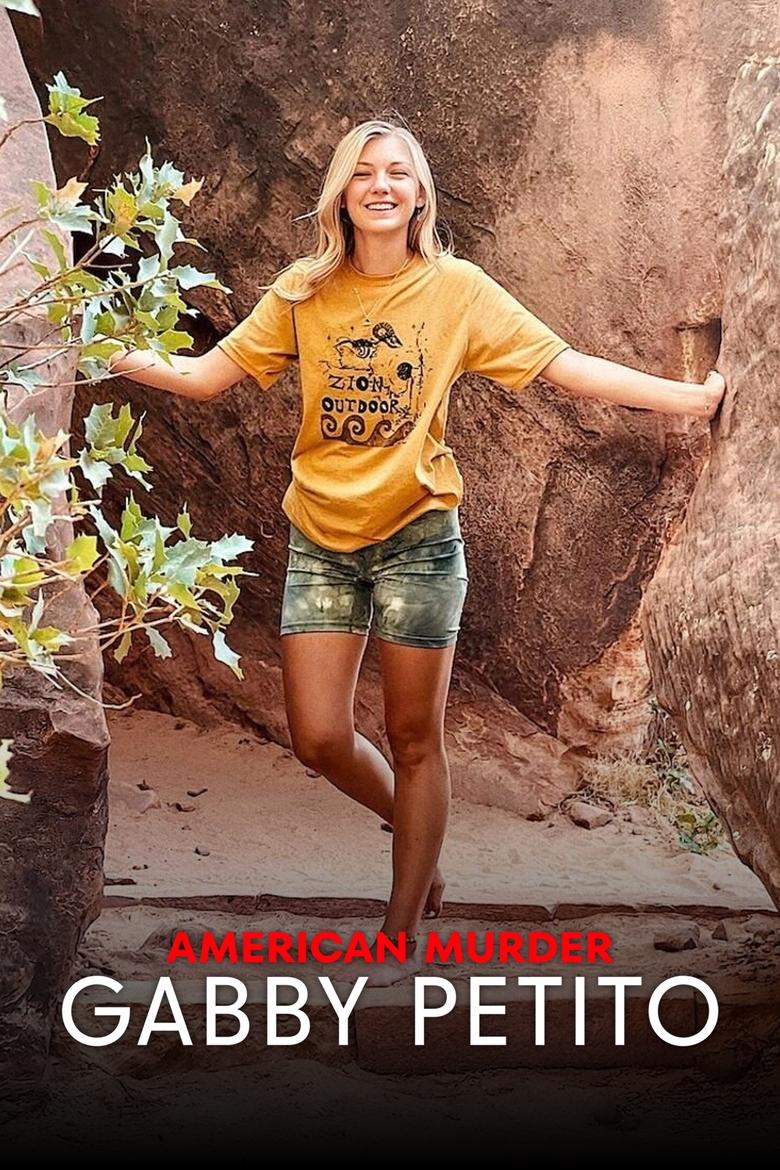
TV Show · 2025
What happened in the final days of Gabby Petito's life? In this gripping true-crime series, her loved ones reveal the untold story of her tragic murder.
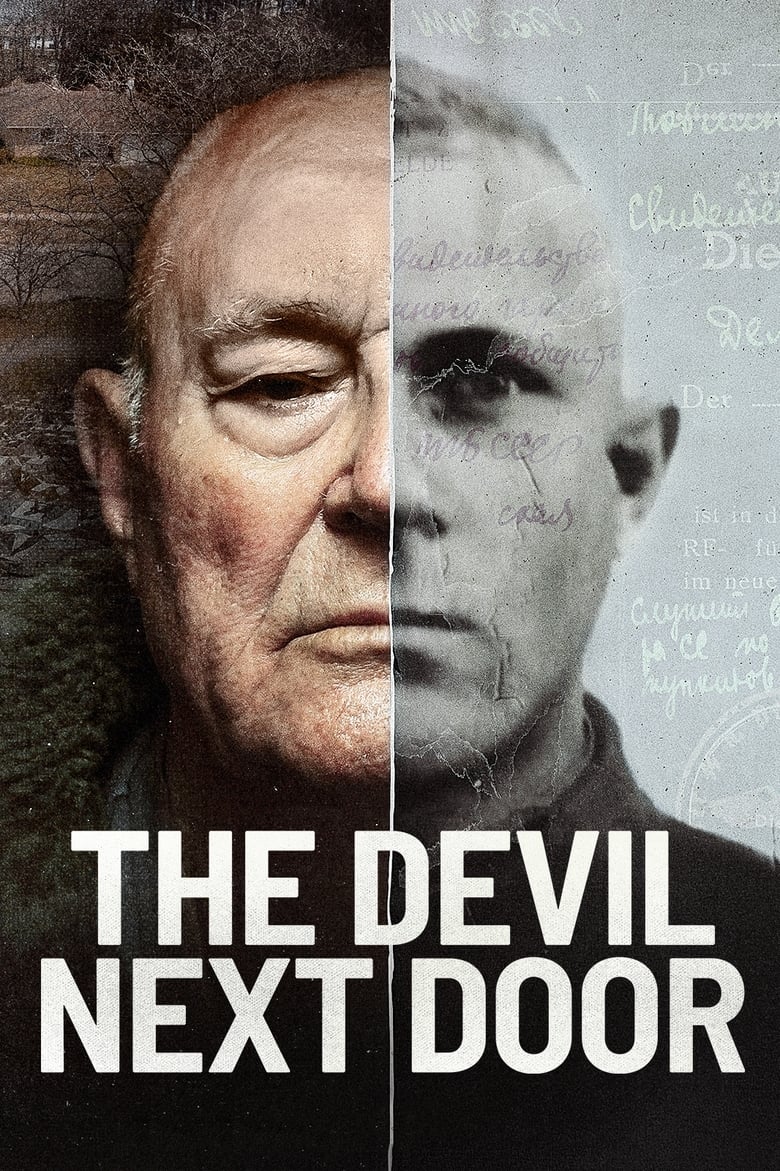
TV Show · 2019
A Cleveland grandfather is brought to trial in Israel, accused of being the infamous Nazi death camp guard known as Ivan the Terrible.
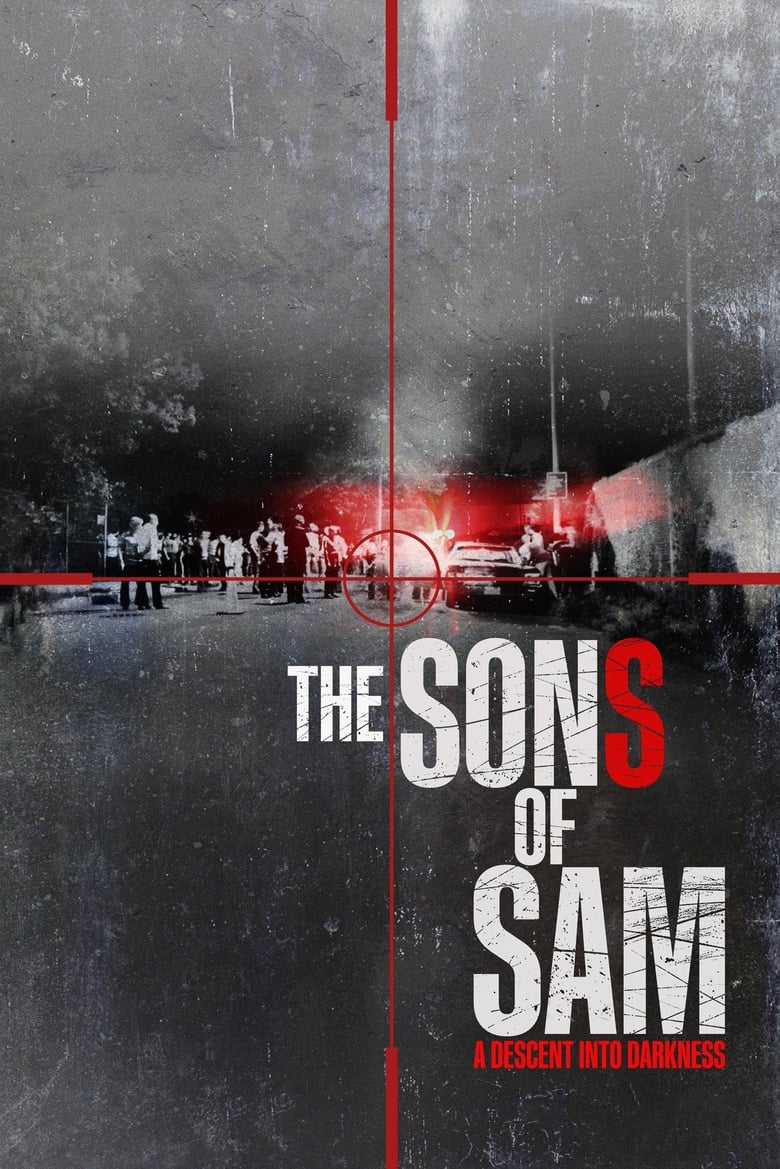
TV Show · 2021
The Son of Sam case grew into a lifelong obsession for journalist Maury Terry, who became convinced that the murders were linked to a Satanic cult.
TV Show · 2019
A twisted criminal's gruesome videos drive a group of amateur online sleuths to launch a risky manhunt that pulls them into a dark underworld.
TV Show · 2023
With never-before-seen footage, this docuseries follows David Beckham's meteoric rise from humble beginnings to global football stardom.
TV Show · 2020
A zoo owner spirals out of control amid a cast of eccentric characters in this true murder-for-hire story from the underworld of big cat breeding.
TV Show · 2017
A four-part documentary series that tells the stories of Jimmy Iovine and Dr. Dre -- one the son of a Brooklyn longshoreman, the other straight out of Compton - -- and their…
TV Show · 2017
An immersive 360-degree narrative telling the epic story of the Vietnam War as it has never before been told on film.
