

2026 · Based on 1 season, 9 episodes through May 7, 2026 ·
Etta Tiger Jonze lives in the Florida Keys and wants a richer life in Miami. After drug dealers kill her family, she survives by using her wits and hunting the twelve men responsible. She enters Miami’s violent drug world while working as a tour guide and building new ties. The show has a dark, violent, fast-moving crime tone. The show presents Etta as a smart and strong young woman who leads the revenge story. Female characters control major parts of the crime business, while male characters often serve as enemies, helpers, or love interests. The story also stresses chosen family, changing identity, and the contrast between rich Miami and Little Haiti. Development, corruption, and the loss of local communities form a repeated background theme.
Community feedback
Was our 46% Woke rating accurate?
Loading review details…
Breakdown
These are the editorial factors and ratings behind our score for M.I.A..
Woke representation / casting
The show centers a young woman of color in a violent revenge role and gives women major power in the cartel, real estate, and local crime worlds. Miami’s mixed communities fit the setting, so the casting does not look like a forced diversity lineup. The repeated focus on women holding power gives this factor a moderate score.
38%
Woke political dialogue
The characters discuss corruption, redevelopment, and harm to local communities. The show does not rely on speeches about race, gender, DEI, or modern activism. The political ideas stay in the background of the crime plot.
12%
Identity-driven story themes
Etta repeatedly learns who she is while moving from family crime to a chosen family. The story presents her intelligence, strength, and moral sense as central parts of her rise. Female characters often drive the action while men become enemies, helpers, or romantic figures. These themes recur across the season but do not fully replace the crime story.
48%
Western institutional / cultural critique
The show presents real estate growth as a force that can displace local communities. It also shows police limits, local corruption, and crime money entering respectable business and politics. The criticism is tied to Miami’s crime plot rather than a broad attack on Western culture.
34%
Woke character or canon changes
Not present in this title.
0%
Anti-woke backlash and complaints
Not present. No clear anti-woke complaint about the show was found. Online criticism focused on plot holes, poor choices, pacing, and the unfinished ending.
0%
Creator track record context
Bill Dubuque has a low stored score, while Felicia Hilario, Christina Piña, and Mairzee Almas have moderate stored scores linked to representation-focused work. The remaining key creators have mostly low or mild scores. The team supports some representation context, but the title is not framed as an activist project.
31%
Production

TV Show · 2022
A psychotherapist finds himself held prisoner by a serial killer with an unusual request: curb his homicidal urges.

TV Show · 2026
When an unidentified body is found in a luxury apartment linked to Oliver Kennedy and his girlfriend Ciara Wyse, Detectives Lee Reardon and Karl Connolly reconstruct the couple's…

TV Show · 2017
A financial adviser drags his family from Chicago to the Missouri Ozarks, where he must launder $500 million in five years to appease a drug boss.
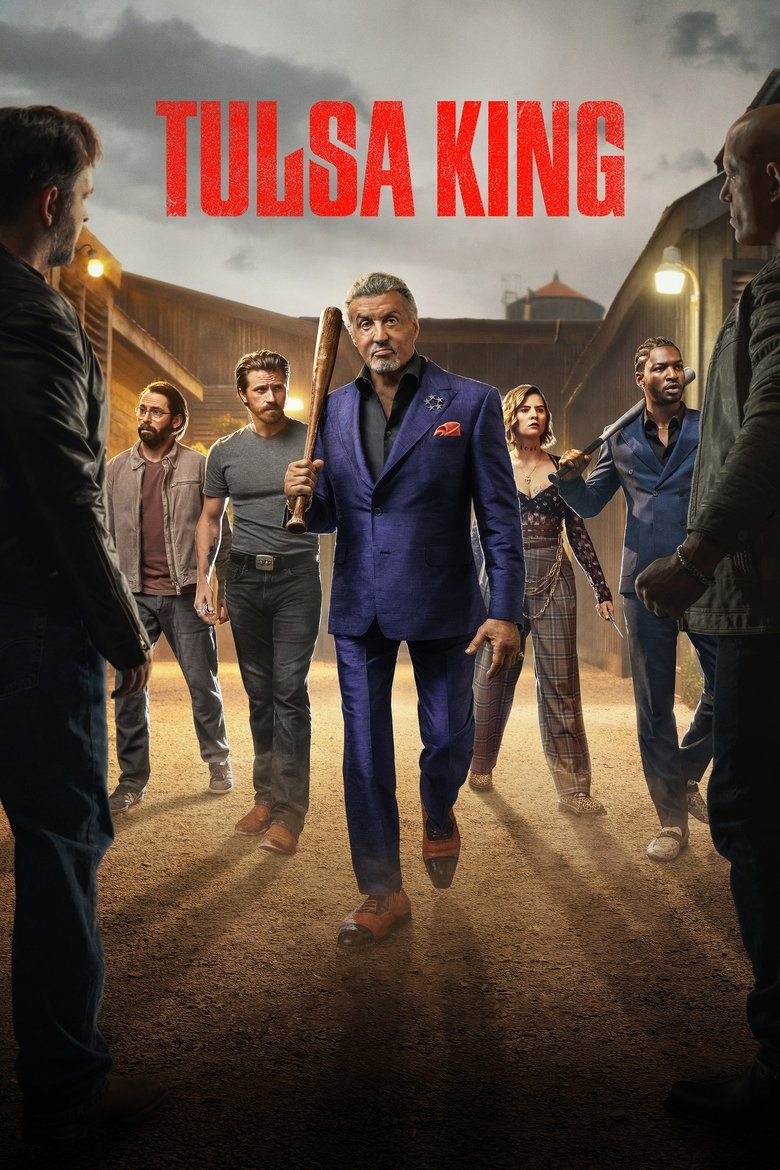
TV Show · 2022
New York mafia capo Dwight "The General" Manfredi is released from prison after 25 years and exiled by his boss to set up shop in Tulsa, Oklahoma.

TV Show · 2016
Once a powerful lawyer, Billy McBride is now burned out and washed up, spending more time in a bar than a courtroom.
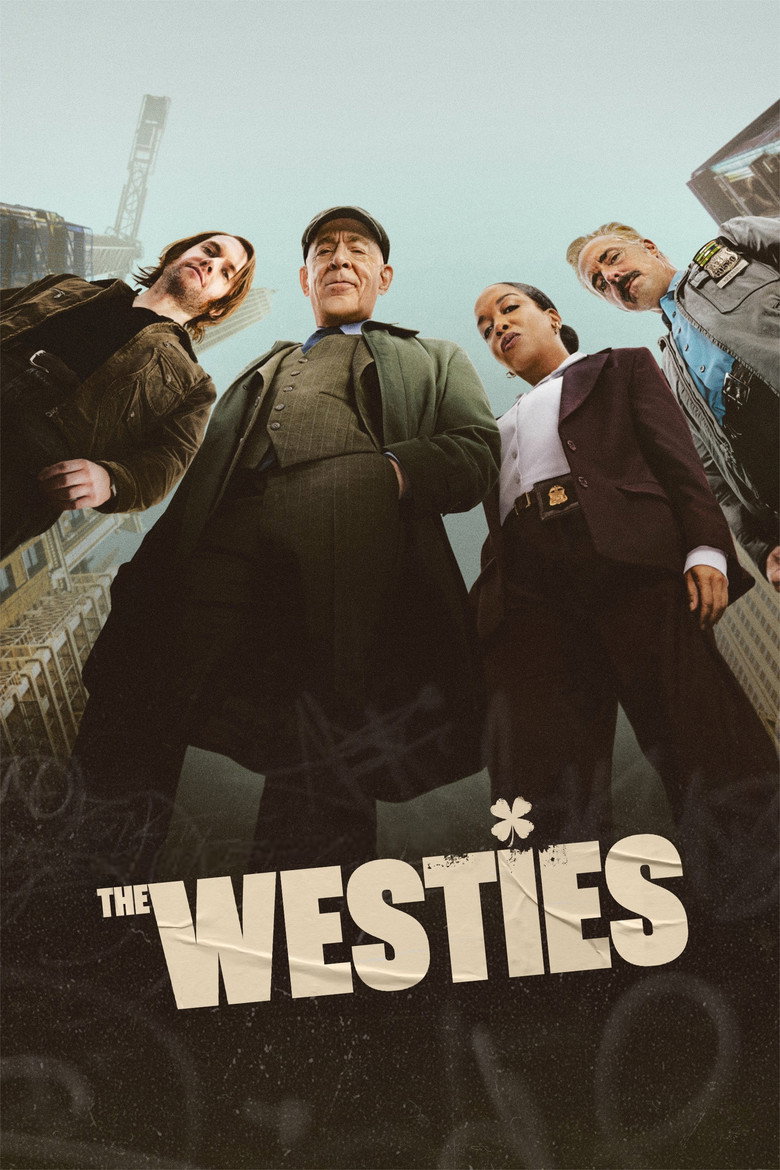
TV Show · 2026
As the Javits Center construction project ignites a battle for profit in early 1980s Hell's Kitchen, a generational rift threatens the uneasy peace between violent Irish gang the…
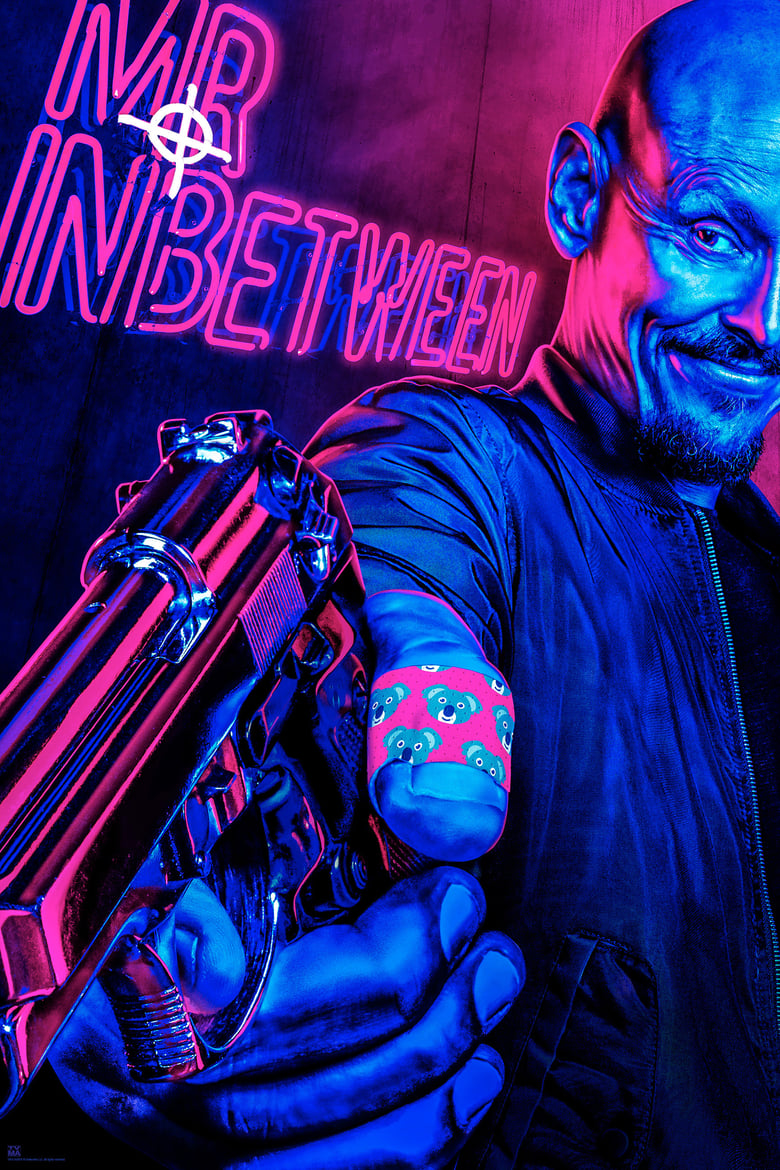
TV Show · 2018
Ray Shoesmith is a father, ex-husband, boyfriend and best friend: tough roles to juggle in the modern age. Even harder when you’re a criminal for hire.
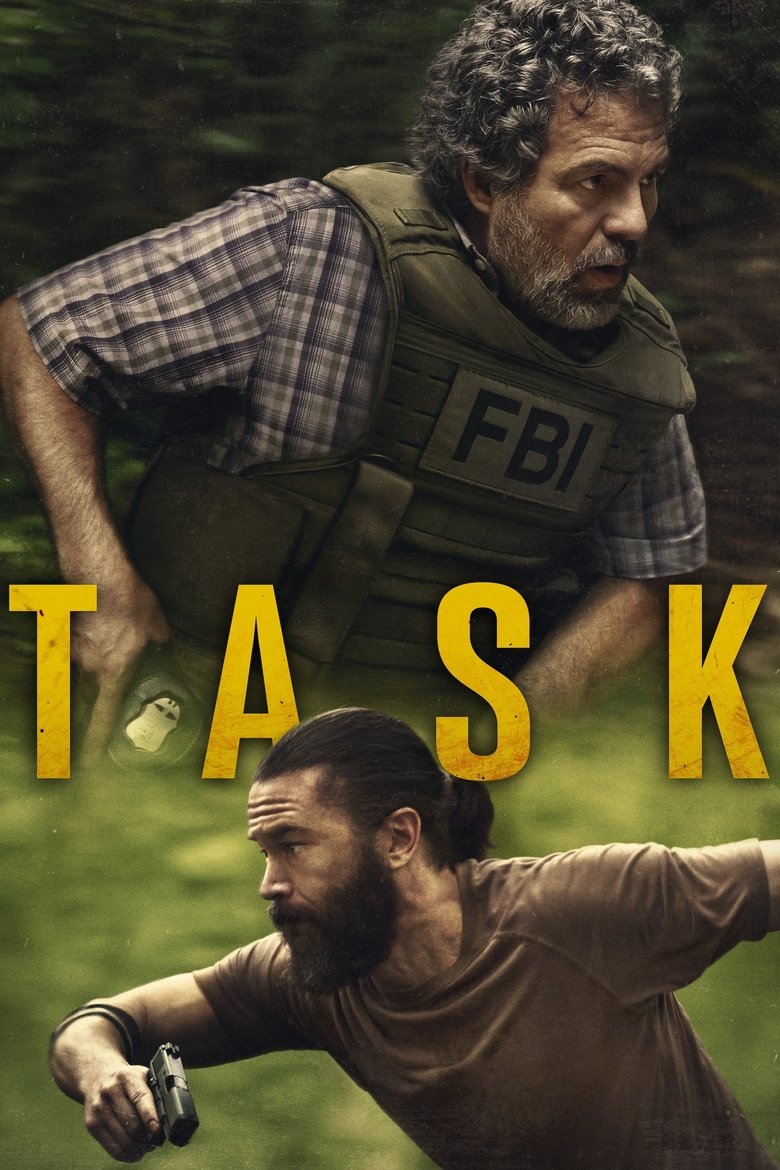
TV Show · 2025
In the working-class suburbs of Philadelphia, an FBI agent heads a task force assembled to put an end to a string of violent robberies led by an unsuspecting family man.
