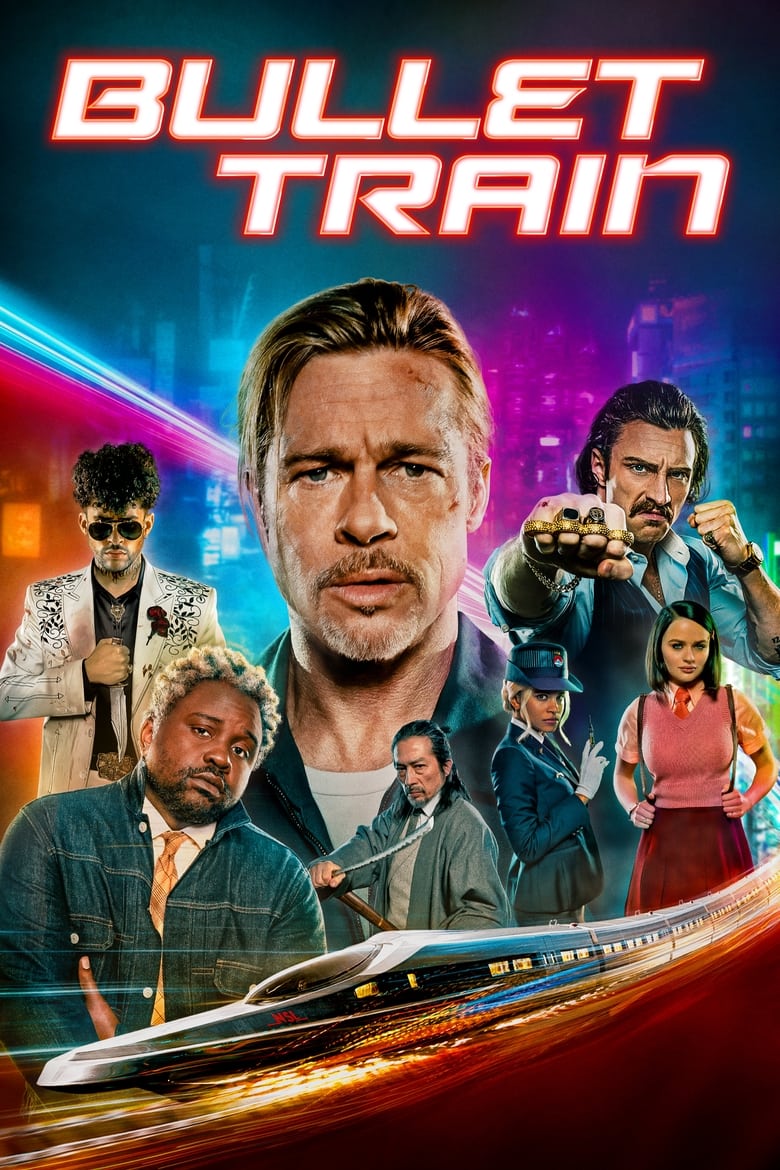

Bullet Train follows Ladybug, an unlucky assassin who wants to finish one job without causing trouble. He boards a fast train traveling across Japan to collect a briefcase. Several killers are already aboard, and their missions slowly connect. The film uses bright colors, sharp jokes, bloody fights, and a playful tone. The film includes a few modern identity jokes, including “mansplaining” and “white girl tears.” It also changes several book characters by gender and race. The main story centers on luck, fate, revenge, family, and karma. A girl called the Prince challenges her father, while a brief passenger scene uses gay jokes. These elements are noticeable but remain secondary to the action and comedy.
Community feedback
Was our 34% Woke rating accurate?
Loading review details…
Breakdown
These are the editorial factors and ratings behind our score for Bullet Train.
Woke representation / casting
The film places several non-Japanese actors in major roles in a story set in Japan. The film also gives major roles to a black woman and a biracial pair of brothers. The casting was not publicly framed as a diversity campaign, and the film still has a white male lead. This makes the representation signal noticeable but limited.
24%
Woke political dialogue
Ladybug uses the word “mansplaining” while speaking to a dying female assassin. Lemon jokes about “white girl tears.” Channing Tatum’s passenger makes several gay and sexual jokes. The lines are brief jokes, not serious speeches or repeated political arguments.
20%
Identity-driven story themes
The Prince resents her father for favoring her brother because she is a girl. The film also includes a short gay-themed passenger scene. The main story focuses on luck, revenge, family, fate, and karma, so identity issues remain minor.
16%
Western institutional / cultural critique
Not present. The film does not target or critique Western culture, traditional institutions, capitalism, or Christianity. It is a highly stylized yakuza action-comedy set entirely in Japan focused on eccentric criminals and stylized violence.
0%
Woke character or canon changes
The book’s male Prince becomes a female character in the film. The Hornet also changes from a male character into a black woman. Lemon and Tangerine become a biracial pair of adoptive brothers instead of the book’s original arrangement. These identity changes affect several important characters.
48%
Anti-woke backlash and complaints
A small number of online viewers complained about the “mansplaining” joke, the gay-themed cameo, and identity-based casting choices. The X search found no anti-woke complaints, while a few right-leaning viewers praised the film as not woke. The documented complaints stayed limited and did not reach a major outlet or organized campaign.
10%
Creator track record context
David Leitch and Zak Olkewicz have little public activist history and are mainly known for commercial action films. stored profiles show some representation-focused work connected to producer Shanice Williamson and casting discussion from Mary Vernieu. The overall creator signal remains low.
15%
Production

Movie · 2024
When top hitman Joe Flood is diagnosed with a terminal illness, he decides to take matters into his own hands – by taking a hit out on himself.

Movie · 2025
When the girl of his dreams is kidnapped, everyman Nate turns his inability to feel pain into an unexpected strength in his fight to get her back.
Movie · 2023
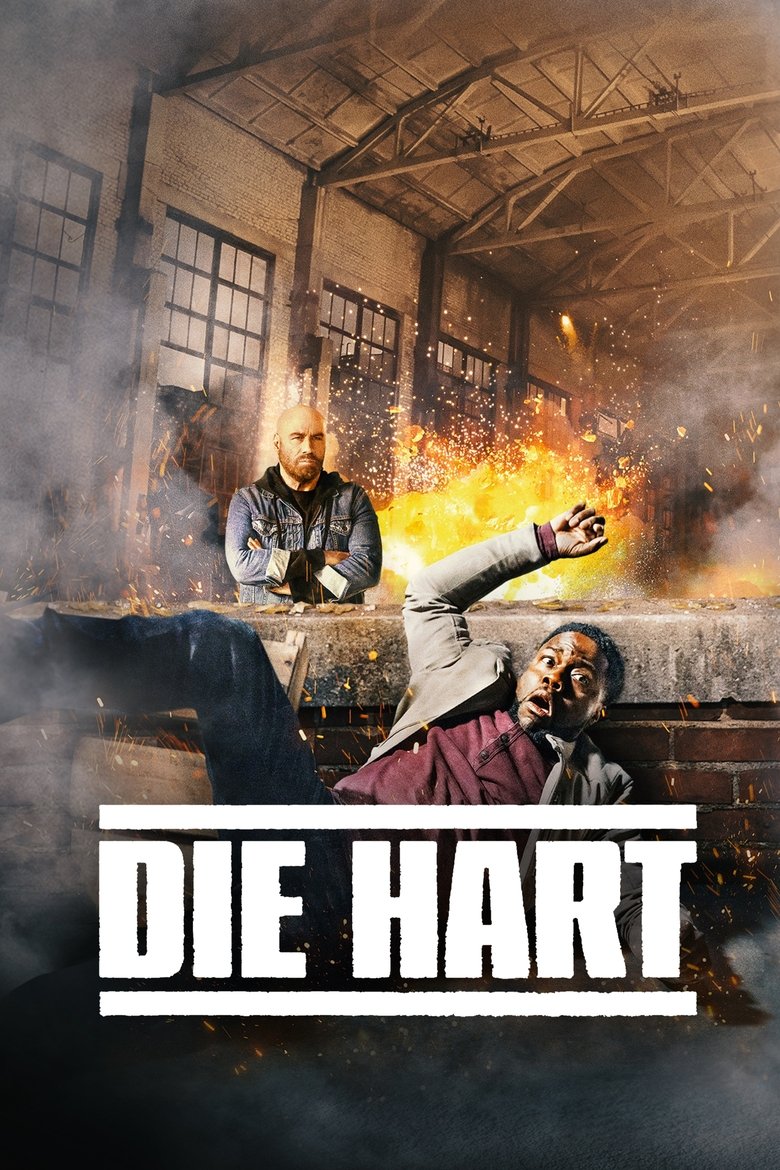
Kevin Hart - playing a version of himself - is on a death-defying quest to become an action star. And with a little help from John Travolta, Nathalie Emmanuel, and Josh Hartnett -…

Movie · 2026
A dysfunctional couple head to a remote cabin to "reconnect", but each has secret intentions to kill the other.
Movie · 2023
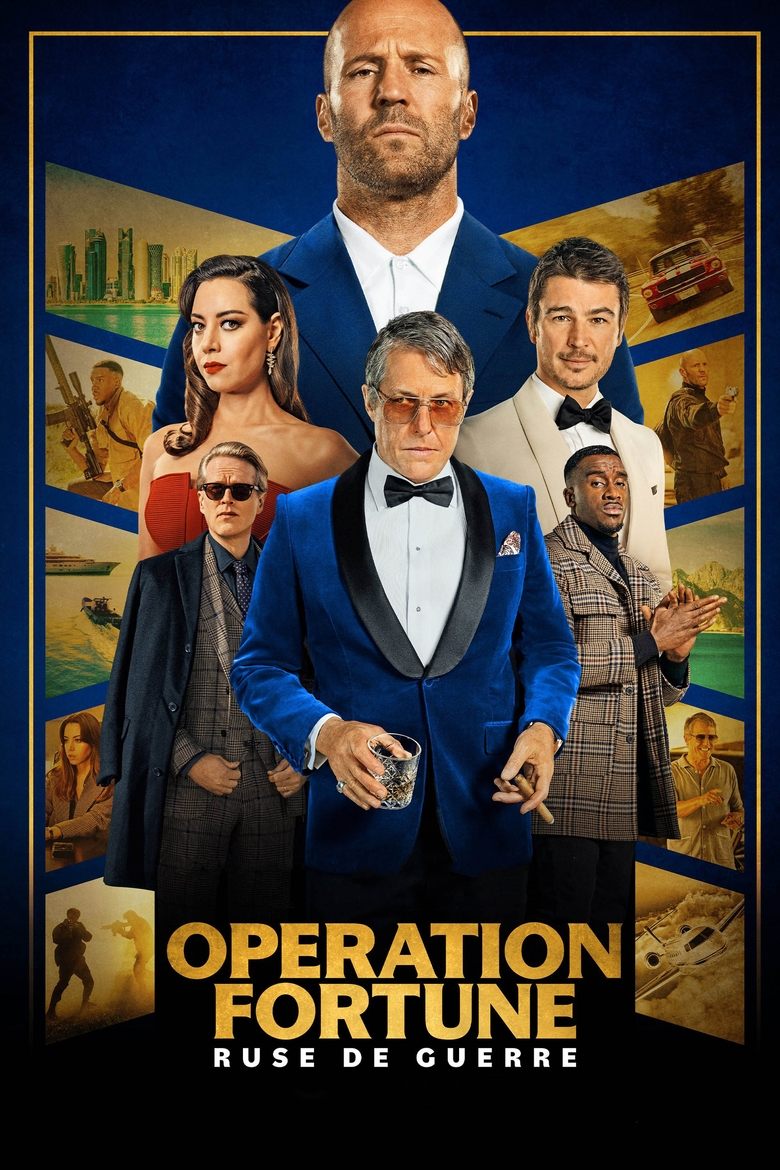
Special agent Orson Fortune and his team of operatives recruit one of Hollywood's biggest movie stars to help them on an undercover mission when the sale of a deadly new weapons…

Movie · 2019
After faking his death, a tech billionaire recruits a team of international operatives for a bold and bloody mission to take down a brutal dictator.
Movie · 2020
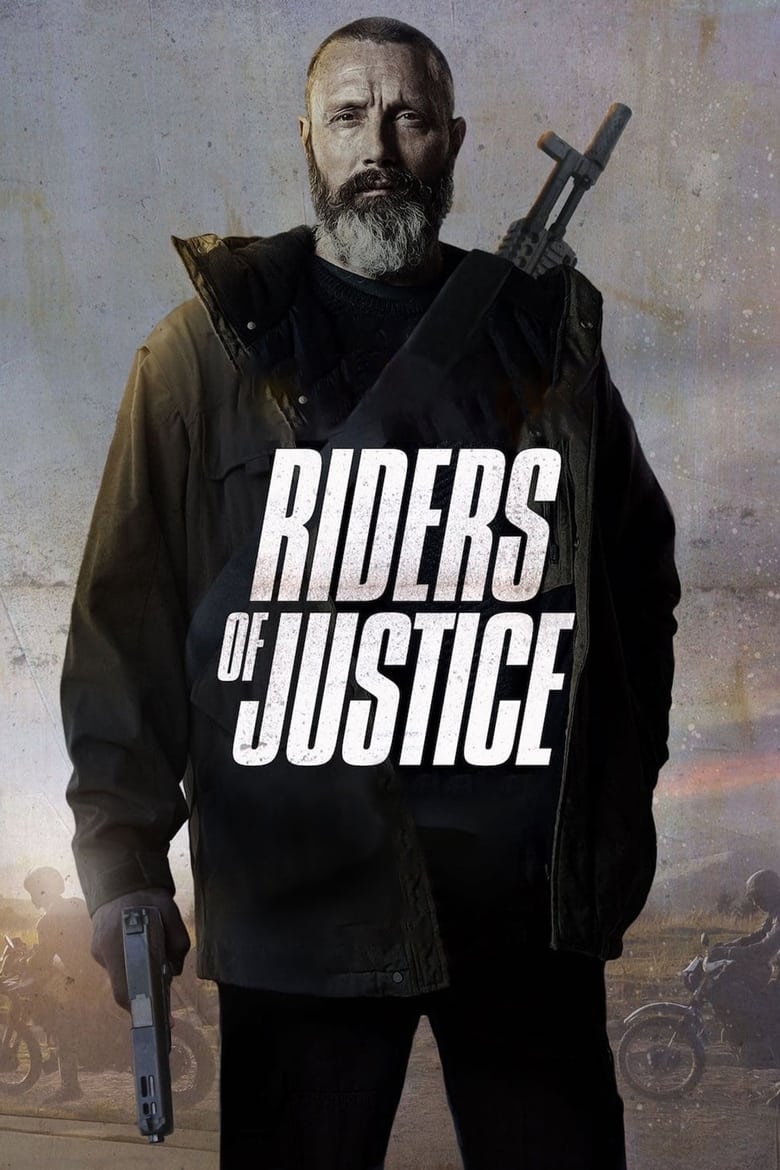
Markus returns home to care for his daughter when his wife dies in a tragic train accident. However, when a survivor of the wreck surfaces and claims foul play, Markus suspects…

Movie · 2026
A former soldier is thrown into a brutal race against time when a critical medical delivery makes him and his unlikely partner the targets of a ruthless cartel.
