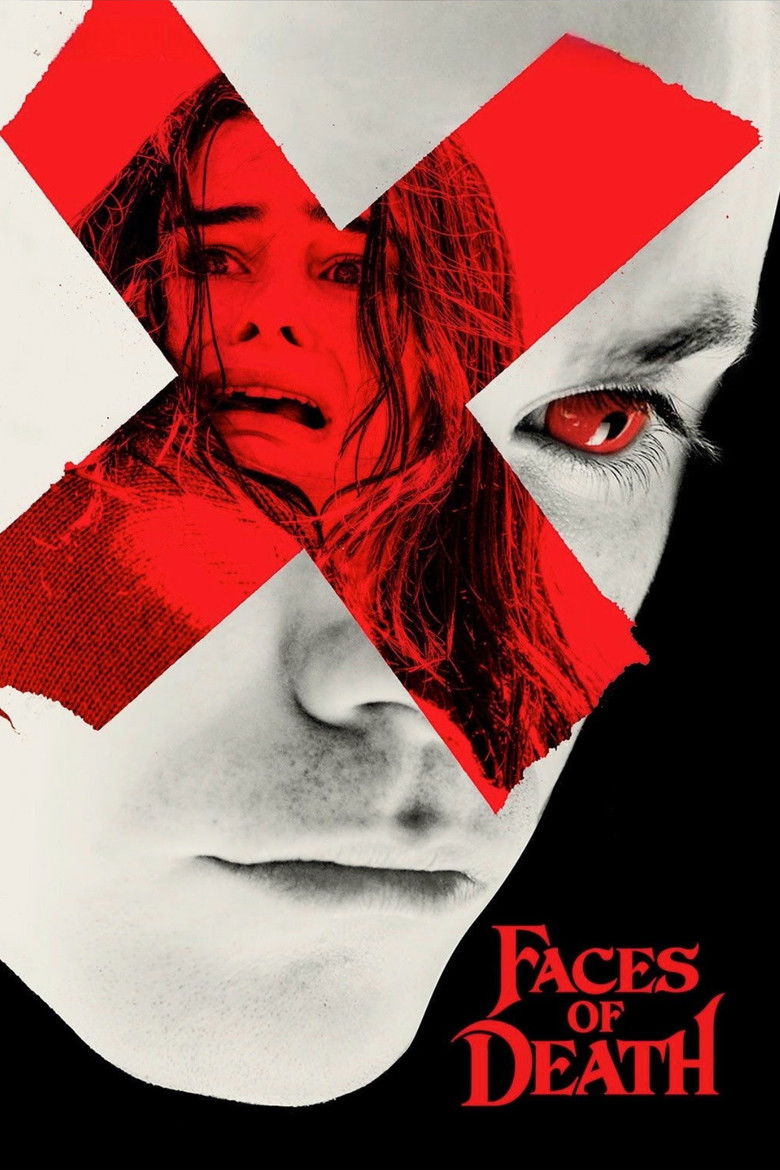

Margot Romero works as a content moderator for the video site Kino. She reviews violent clips after a past online tragedy changed her life. She finds videos that copy deaths from the old Faces of Death film. The killer behind them targets her after she starts investigating. The movie is a grim horror thriller about online violence, guilt, and obsession. The movie gives Margot a strong central role, but it does not frame her as part of a clear identity campaign. Its main social message targets video platforms that reward shocking material and hide disturbing work behind weak rules. The story also questions why sexual health content can be removed while violent clips stay online. These ideas appear throughout the plot, but the film remains mainly a slasher story about a killer and his victim.
Community feedback
Was our 43% Woke rating accurate?
Loading review details…
Breakdown
These are the editorial factors and ratings behind our score for Faces of Death.
Woke representation / casting
Margot is a woman in the main hero role, and the cast includes several people from different backgrounds. The film does not present this casting as a diversity-first project. The lead role is important, but the identity choices do not clearly go beyond a normal modern horror cast.
24%
Woke political dialogue
The film includes brief comments about platforms removing sexual health material while allowing violent clips to spread. Those lines support a mild activist-style message about online rules. The movie does not build its story around repeated speeches about identity, gender, or DEI.
12%
Identity-driven story themes
The story gives a woman the main role and shows her trying to repair the harm linked to her past online fame. Its main themes concern trauma, guilt, and internet violence. Identity is not the main subject, and the film does not center a queer or identity-politics plot.
18%
Western institutional / cultural critique
The film repeatedly attacks the way a large video platform rewards shocking content. Kino treats violent material as good business and hides its own responsibility behind content rules. The movie also questions censorship that removes sexual health material while allowing graphic violence to spread. This critique is a continuing part of the story.
45%
Woke character or canon changes
Not present in this title.
0%
Anti-woke backlash and complaints
Not present. No clear anti-woke complaint about this title was found. Public criticism focused on gore, the remake idea, the ending, and the film’s quality. Praise or approval from horror viewers does not count as backlash.
0%
Creator track record context
Daniel Goldhaber has a recorded climate-activist film history, and Isa Mazzei has a strong representation and sex-worker advocacy focus. Their earlier work supports a socially aware creative pattern. Interviews for this film stress platform power, censorship, and media harm, but they do not show a main focus on DEI or identity politics.
53%
Production
Movie · 2016
A punk rock band is forced to fight for survival after witnessing an act of violence at a skinhead bar.

Movie · 2024
Stranded in the open sea after a fatal accident, a young woman and her two friends are rescued by a fishing vessel's captain, unaware that the ship harbors a chilling secret.
Movie · 2024
FBI Agent Lee Harker is a gifted new recruit assigned to the unsolved case of an elusive serial killer. As the case takes complex turns, unearthing evidence of the occult, Harker…
Movie · 2016
A group of teens break into a blind man's home thinking they'll get away with the perfect crime. They're wrong.
Movie · 2022
Trapped on her family’s isolated farm, Pearl must tend to her ailing father under the bitter and overbearing watch of her devout mother.

Movie · 2024
A live broadcast of a late-night talk show in 1977 goes horribly wrong, unleashing evil into the nation's living rooms.
Movie · 2023
During a stormy night in the Scottish Highlands, two criminal brothers on the run seek refuge in a desolate farmhouse.
Movie · 2026
After breaking the mysterious "One Wish Willow" to win his crush's heart, a hopeless romantic finds himself getting exactly what he asked for but soon discovers that some desires…
