

Nightbitch follows Mother, an artist who stays home in a nameless suburb to raise her toddler. Her husband travels for work and treats childcare as her job, leaving her tired, angry, and unsure of herself. Strange hair, teeth, animal urges, and nighttime changes make her think she is becoming a dog. The film mixes dark comedy, body horror, family drama, and dreamlike scenes. The film repeatedly argues that motherhood can erase a woman's work, freedom, body, and identity. Mother speaks about gender roles, unpaid care, weak support for mothers, and the pressure to seem grateful. Her dog-like change becomes a way to recover anger, power, desire, and creativity. The story criticizes an unequal marriage but ends with family repair rather than total rejection of motherhood.
Community feedback
Was our 67% Woke rating accurate?
Loading review details…
Breakdown
These are the editorial factors and ratings behind our score for Nightbitch.
Woke representation / casting
Not present. The film centers a white mother in a present-day American suburb. The supporting cast includes women from different backgrounds, but the film does not present the casting as a diversity message.
0%
Woke political dialogue
Mother repeatedly speaks about gender expectations and the unfair load placed on mothers. Mother discusses unpaid care, weak public support, social pressure, and lost career chances. The film also includes lines about bodily autonomy and misogyny in its wider promotion. These ideas appear across the film but do not become a party-political debate.
48%
Identity-driven story themes
Mother’s full journey centers on losing her identity after childbirth. The dog changes turn female anger, bodily change, desire, and motherhood into the main supernatural idea. Mother rejects the idea that women should become quiet caretakers who give up their work and needs. The story presents her wild side as a path back to art, freedom, and personal power. The film still keeps her love for her son and allows the marriage to heal.
70%
Western institutional / cultural critique
The film presents the stay-at-home family model as unfair when Mother carries nearly all the daily work. Mother criticizes her husband for treating childcare as her duty and his own parenting as special. The story questions social pressure that tells women to feel grateful for losing their careers. The film also mentions weak public support for mothers and the lack of a helpful village. It does not make Christianity or capitalism a main target.
48%
Woke character or canon changes
Not relevant. The film adapts a recent novel with fictional characters. It does not change a known character, established canon, or real historical figure.
0%
Anti-woke backlash and complaints
Evie Magazine published a minor anti-woke complaint that called the film a feminist lecture and attacked its supposed DEI hiring. Small X accounts called the movie feminist drivel, propaganda, or an attack on motherhood. The complaints had little observed reach and no organized campaign followed. The reaction fits a limited backlash score rather than a broad controversy.
24%
Creator track record context
Marielle Heller has made work about identity, sexuality, and women’s inner lives. Rachel Yoder’s writing questions domestic gender roles, workplace limits, and pressure on women to suppress ambition. Heller and Adams publicly connect the film to gender roles, women’s bodies, bodily autonomy, and misogyny. The wider producing team has mixed or limited evidence of activist work, so the score mainly reflects Heller and Yoder.
43%
Production
Movie · 2026
Moments after surviving an all-out attack from the Le Domas family, Grace discovers she’s reached the next level of the nightmarish game — and this time with her estranged sister…

Movie · 2019
Columbus, Tallahassee, Wichita, and Little Rock move to the American heartland as they face off against evolved zombies, fellow survivors, and the growing pains of the snarky…

Movie · 2022
Legendary rock band Foo Fighters move into an Encino mansion steeped in grisly rock and roll history to record their much anticipated 10th album.
Movie · 2020
Two years after defeating a satanic cult led by his babysitter Bee, Cole's trying to forget his past and focus on surviving high school.

Movie · 2025
When twin brothers find a mysterious wind-up monkey, a series of outrageous deaths tear their family apart. Twenty-five years later, the monkey begins a new killing spree forcing…
Movie · 2018
The compound of an arms manufacturer turns into a zombie nightmare when its workers are given the wrong formula.
Movie · 2026
A magical, singing orange unicorn holds his cast hostage in a surreal TV-show dimension, as he becomes more and more demented.
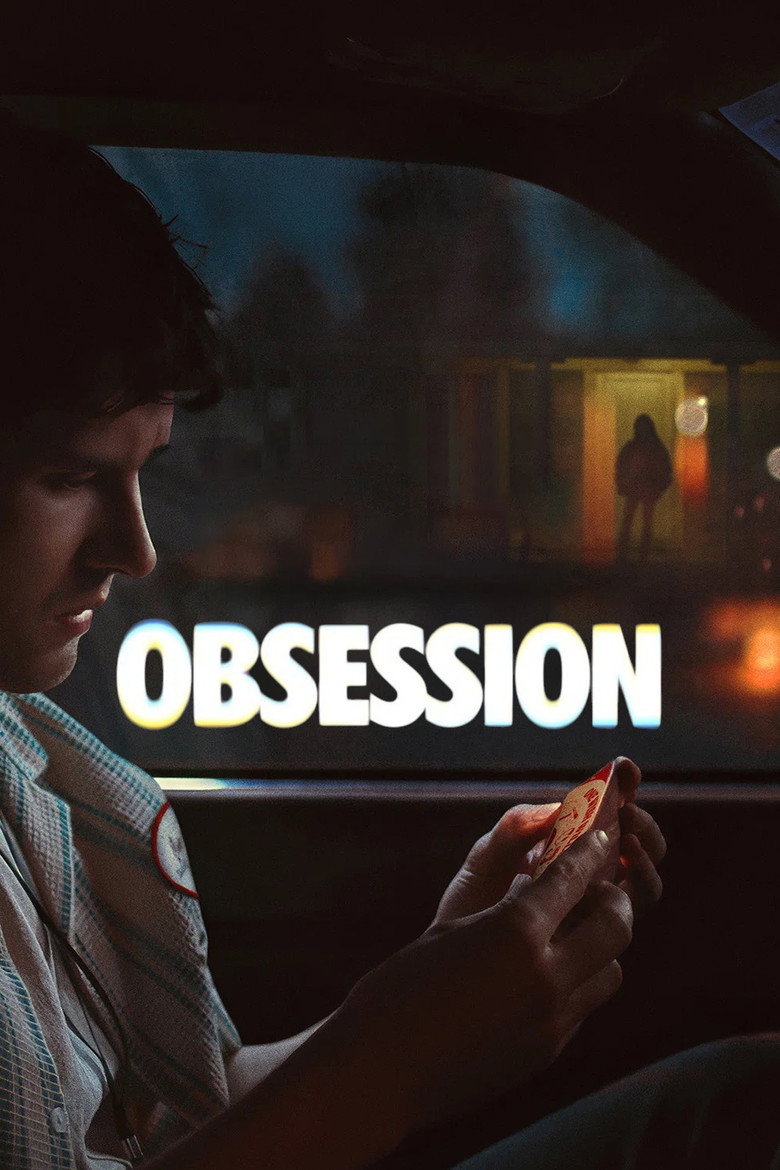
Movie · 2026
After breaking the mysterious "One Wish Willow" to win his crush's heart, a hopeless romantic finds himself getting exactly what he asked for but soon discovers that some desires…
