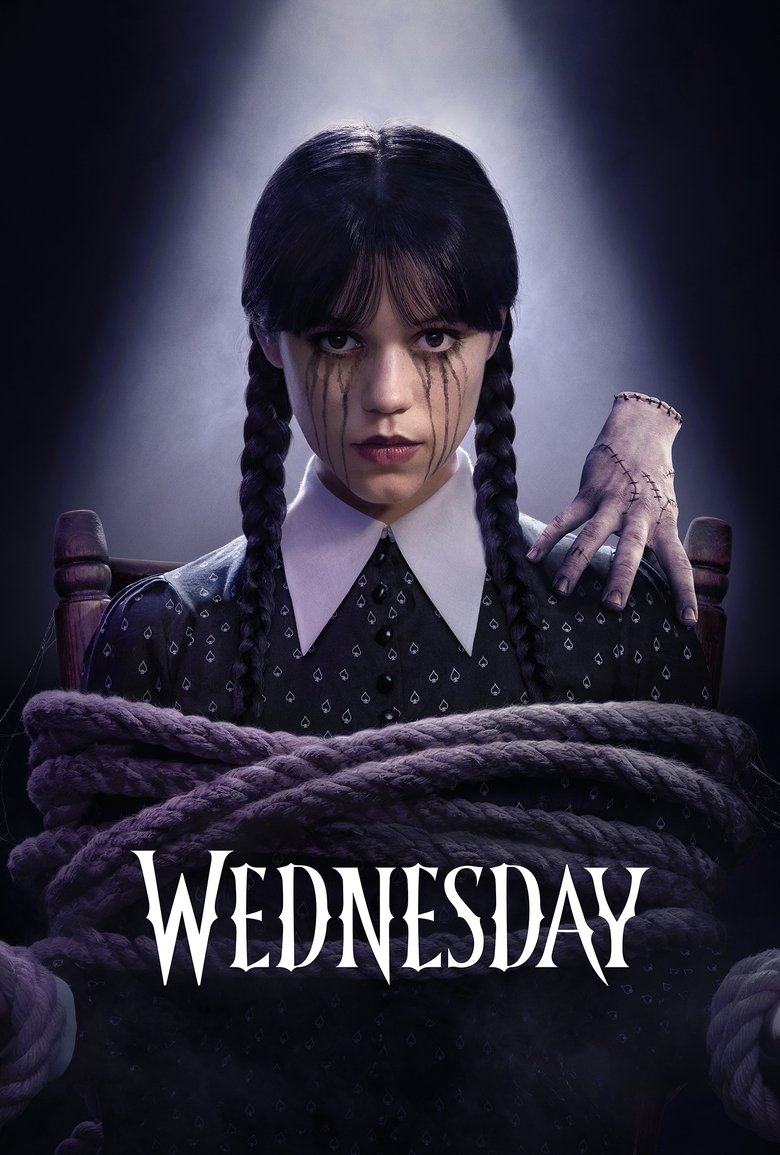

2022– · Based on 2 seasons through September 3, 2025 ·
Wednesday Addams returns to Nevermore Academy, a school for supernatural outcasts. She investigates murders, secret experiments, family problems, and threats against her friends. Her psychic visions lead her through mysteries involving monsters, cults, and old enemies. The show combines dark jokes, gothic images, teen drama, and fantasy adventure while following Wednesday’s personal growth. The show gives visible attention to diversity through Wednesday’s Latino identity, a mixed cast, and stories about outcasts facing prejudice. Season 1 compares Enid’s forced werewolf treatment with conversion therapy, while Season 2 adds experiments, a cult, family pressure, and stronger female friendships. Wednesday and Enid remain close friends, and the released story does not confirm them as a queer couple. These ideas appear often, but supernatural mysteries, family conflict, friendship, romance, and danger remain more important to the main story.
Community feedback
Was our 65% Woke rating accurate?
Loading review details…
Breakdown
These are the editorial factors and ratings behind our score for Wednesday.
Woke representation / casting
Wednesday and Gomez are presented as Latino characters, and the creators publicly made that choice part of the show’s identity. The series also uses a mixed cast in many important student and adult roles. The casting fits the modern fantasy setting, but the Latina lead was chosen and promoted as representation. The pattern is clear in the main family and school cast without taking over every role.
46%
Woke political dialogue
Wednesday uses a few modern identity-related lines about the male gaze and female objectification. The show also uses language about prejudice, outsiders, and social exclusion. These ideas appear in short scenes rather than long speeches. Political dialogue remains weaker than the show’s mystery and comedy.
19%
Identity-driven story themes
The series repeatedly presents outcasts as people judged or controlled by the normal world. Enid’s family pressures her to change, and the werewolf treatment is compared with conversion therapy. Wednesday and Enid’s friendship gives the show a strong female-centered emotional arc. Season 2 keeps these ideas but focuses more on family conflict, romance, and supernatural danger.
48%
Western institutional / cultural critique
Season 1 criticizes Jericho’s founders for attacking and hiding violence against outcasts. The school and town protect old stories while ignoring harm done to outsiders. Season 2 adds secret experiments on outcasts and a cult that uses students for power. The criticism is mainly told through fantasy history and villain plots, with limited direct modern politics.
33%
Woke character or canon changes
The series makes Wednesday and Gomez explicitly Latino, building on later Addams adaptations and creator statements. The change is visible through casting, family history, music, food, and cultural details. The show also expands Wednesday into a teen mystery hero and makes Enid a central friend. The identity change is meaningful, but it does not replace the core Addams story.
39%
Anti-woke backlash and complaints
Small online accounts called the series woke propaganda. Some fan accounts complained that a Wednesday and Enid romance would make the show an LGBTQ vehicle. A small family review also objected to woke moments and attacks on Christian ideas. The complaints were scattered and had little reach, while right-leaning praise for the show does not count as backlash.
20%
Creator track record context
Gough and Millar have repeatedly supported diverse casting and described representation as a creative goal. Valentina Garza and April Blair have worked on stories about Latino identity, race, class, and sexuality. Angela Robinson has a strong history of LGBTQ-focused work. The wider team includes many conventional genre creators, so the overall record is moderate rather than fully activist.
55%
Production
TV Show · 2016
An aging police sheriff who has recently lost his position due to an angry outburst begrudgingly joins an alliance with new sheriff, Evie Barret to battle angry demons haunting…
TV Show · 2019
A police chief takes in a young child she finds near the site of a mysterious accident who has no memory of what has happened.

TV Show · 2016
In his quest for a bride to break his immortal curse, a 939-year-old guardian of souls meets a grim reaper and a sprightly student with a tragic past.
TV Show · 2026
After accidentally creating a new multiverse, comic book store owner Stuart Bloom must locate a quantum-interference device to restore reality.
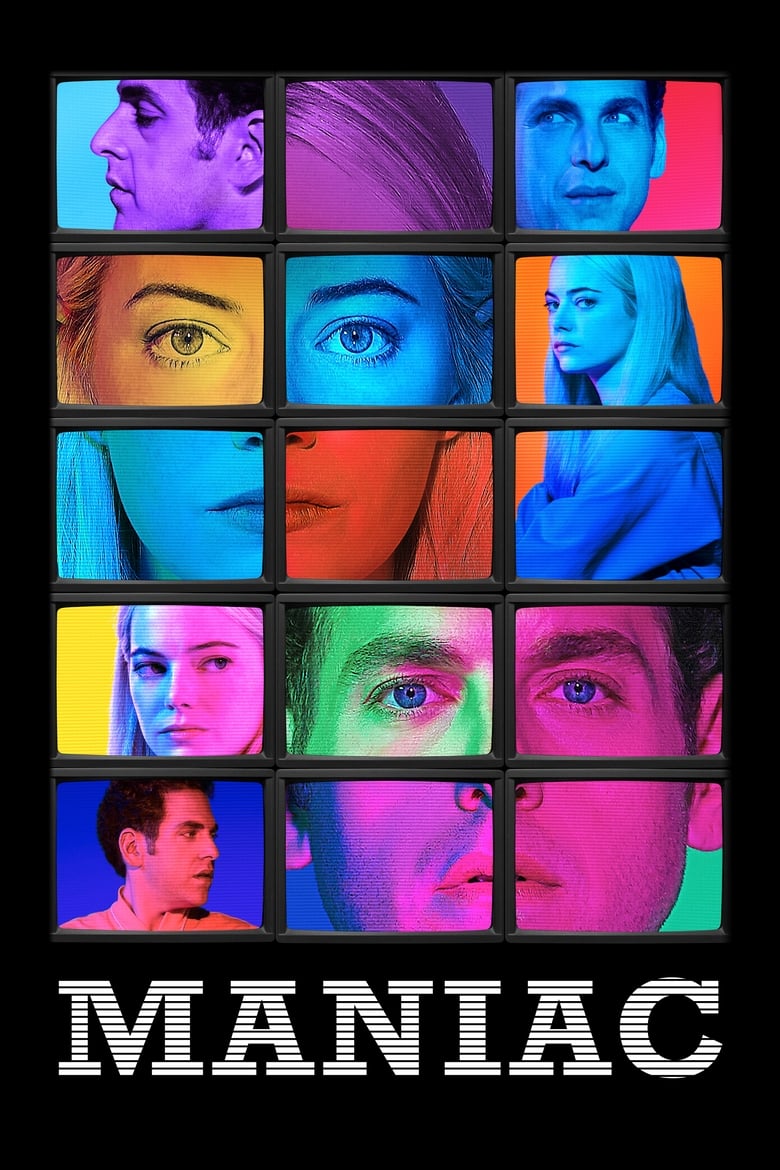
TV Show · 2018
Two strangers are drawn to a mysterious pharmaceutical trial that will, they're assured, with no complications or side-effects whatsoever, solve all of their problems…
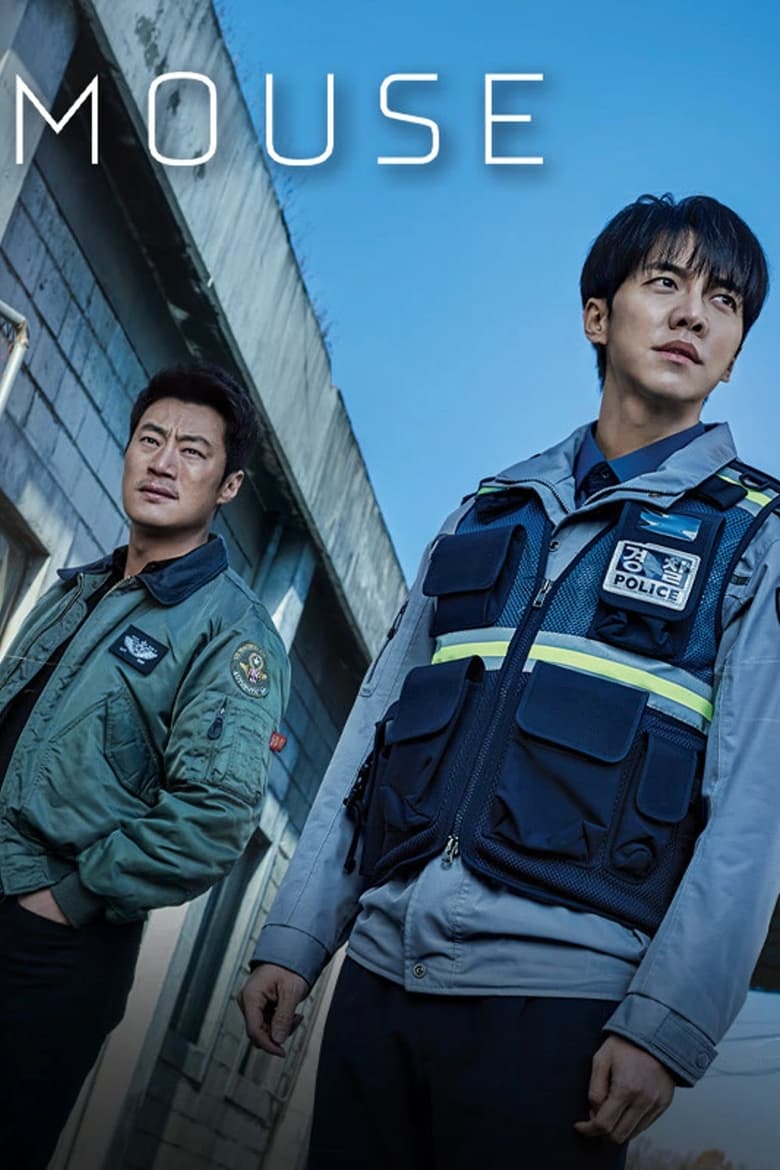
TV Show · 2021
A psychopath's ruthless serial murders have left the entire nation gripped by fear and chaos. An honest, justice-seeking rookie police officer and a veteran detective with a…
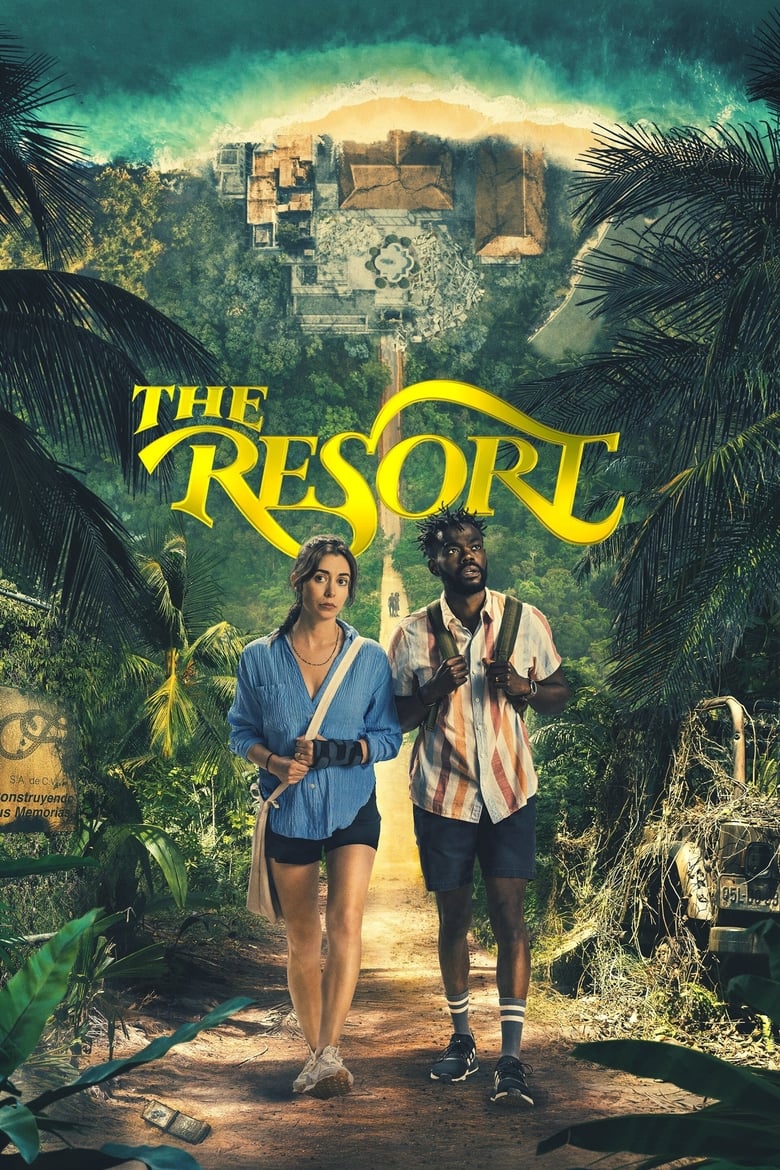
TV Show · 2022
An anniversary trip puts a marriage to the test when a couple finds themselves embroiled in one of Yucatan's most bizarre unsolved mysteries.
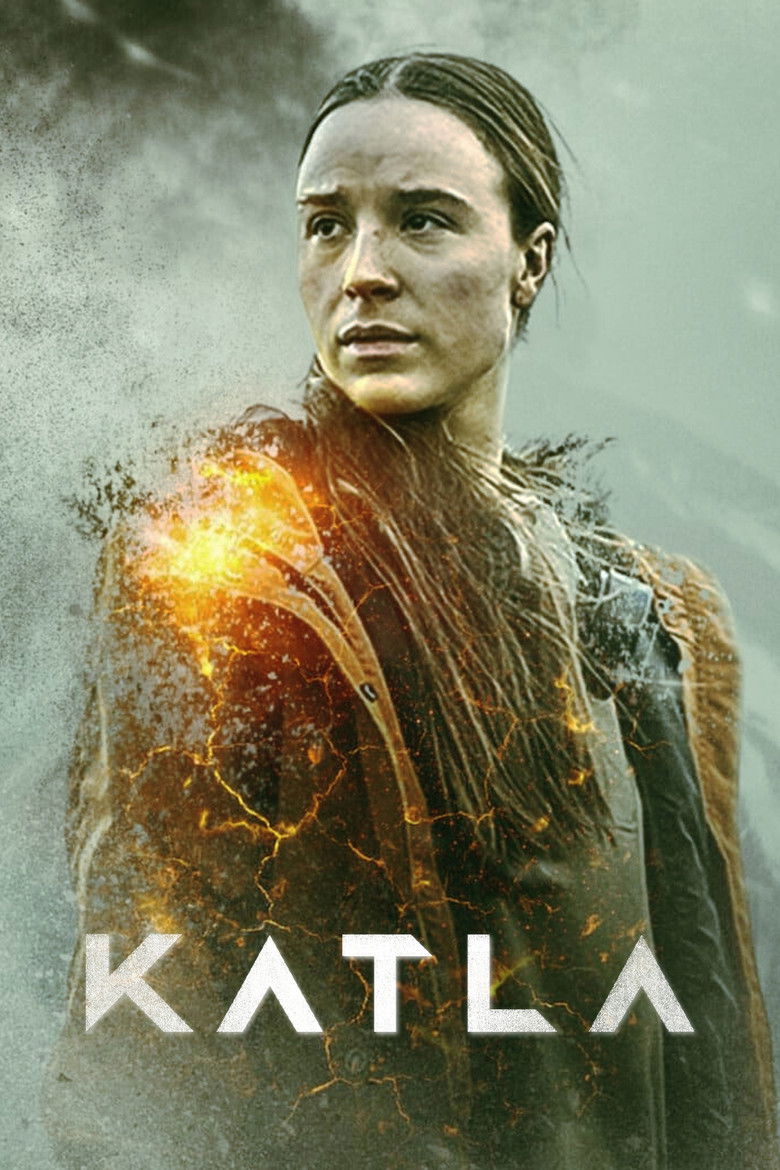
TV Show · 2021
A year after a subglacial volcano erupts, mysterious elements from prehistoric times emerge from the melting ice, bringing unforeseen consequences.
